
Was Sie über einen Besuch in Alaska im Sommer wissen sollten
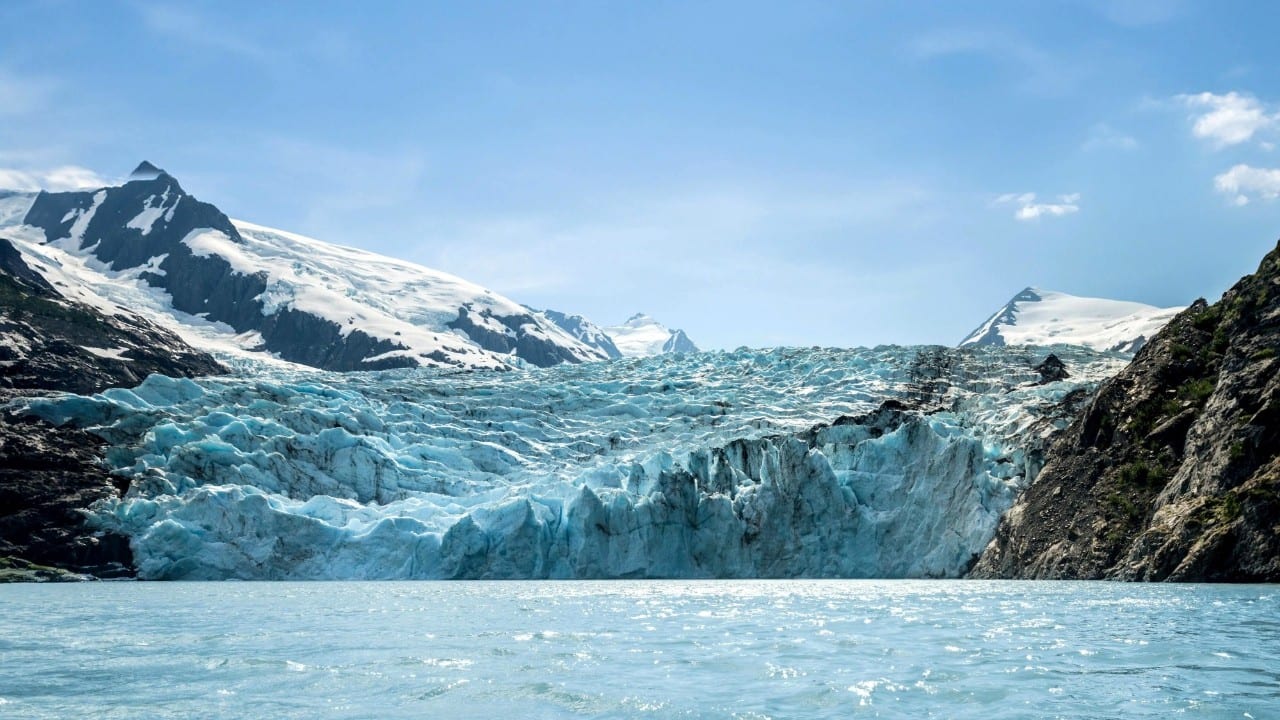
Der Sommer verwandelt Alaska in eine kaum zu beschreibende, riesige und lebendige Landschaft: Gletscher kalben in jadefarbene Buchten, Buckelwale springen aus dem Wasser und die Sonne steht so lange am Himmel, dass die goldene Stunde die ganze Nacht zu dauern scheint. Von Ende Mai bis September bietet Alaska im Sommer ein Reiseerlebnis, das Ihnen noch lange nach Ihrer Heimkehr in Erinnerung bleibt.
Nirgendwo lässt sich all das besser erleben als vom Deck eines Kreuzfahrtschiffs von Holland America, auf dem erstklassiger Komfort und unmittelbarer Zugang zur Wildnis zu einer harmonischen Reise verschmelzen. Entdecken Sie, was Alaska-Kreuzfahrten zu bieten haben, und beginnen Sie mit der Planung Ihres Sommerabenteuers.
Das Wichtigste auf einen Blick
- Der Sommer (Mai bis September) ist in Alaska die lebendigste Jahreszeit für Tierbeobachtungen, lange Tage und Outdoor-Erlebnisse.
- Die Hochsaison (Juni bis August) bietet die wärmsten Temperaturen und die höchste Wildtieraktivität, während in den Nebenmonaten weniger Besucher unterwegs sind und eine ruhigere Atmosphäre herrscht.
- Das Sommerwetter in Alaska unterscheidet sich deutlich nach Region: Küstenstädte an der Inside Passage und Gebiete im Landesinneren rund um Denali und Fairbanks bieten jeweils ein ganz anderes Klimaerlebnis.
- Eine Kreuzfahrt ist die effizienteste Art, Alaskas abgelegenste und spektakulärste Reiseziele zu erkunden, von der Glacier Bay bis zur Inside Passage.
- Verschiedene Kleidungsschichten einzupacken, ist unerlässlich, denn an Sommertagen in Alaska kann das Wetter innerhalb von Stunden von warmem Sonnenschein zu kühlem Küstennebel wechseln.
Für Sonderangebote anmelden
Gehören Sie zu den Ersten, die von exklusiven Kreuzfahrtangeboten, neuen Reiserouten und zeitlich begrenzten Angeboten erfahren.
Die beste Zeit für einen Besuch in Alaska im Sommer
Die Sommersaison in Alaska erstreckt sich von Mai bis September, aber nicht jeder Monat bietet das gleiche Erlebnis. Wenn Sie den Rhythmus der Jahreszeit kennen, können Sie Ihre Reise auf die gewünschten Wildtiererlebnisse, das Wetter und das Reisetempo abstimmen – ob Sie lange, warme Tage in der Hauptsaison oder eine ruhigere, besinnlichere Reise in den Nebenmonaten bevorzugen.
Hochsaison im Sommer (Juni–August)
Für die meisten Reisenden ist die Zeit von Juni bis August der ideale Zeitraum für eine Alaska-Reise im Sommer. Die Temperaturen sind zu dieser Zeit am wärmsten, das Tageslicht scheint endlos und die Tiere sind besonders aktiv. Buckelwale gehen in Küstengewässern auf Nahrungssuche, Braunbären patrouillieren die Flussufer und Papageientaucher nisten entlang der Klippen. Alle wichtigen Ausflüge – Gletscherwanderungen, Walbeobachtungstouren und Kajakausflüge – werden in vollem Umfang angeboten, und das Landausflugsprogramm von Holland America ist in diesen Monaten am vielfältigsten. Wenn Sie Alaska von seiner lebendigsten Seite erleben möchten, ist die Hochsaison genau das Richtige für Sie.
Vorteile der Nebensaison (Mai und September)
Mai und September bieten eine andere Art von Alaska-Erlebnis – ein Erlebnis, das sich für Reisende lohnt, die es gerne etwas entspannter mögen. Im Mai erwacht die Landschaft aus dem Winter: Wildblumen beginnen zu blühen, Wasserfälle führen reichlich Schmelzwasser, Berghänge tragen noch die sanften Spuren des verbleibenden Schnees und bilden einen eindrucksvollen Kontrast zu den Tälern. Der September zeigt eine andere Farbpalette: Birken und Espen auf den Hügeln färben sich gold- und bernsteinfarben, und das lange Sommerlicht wird sanfter und wirkt noch stimmungsvoller. In beiden Monaten gibt es an beliebten Orten in der Regel weniger Besucher, sodass Sie die Landschaft persönlicher erleben können. In beiden Nebenmonaten werden Kreuzfahrten angeboten, häufig zu günstigeren Preisen als im Hochsommer.
Wetterhinweise für den Sommer in Alaska
Alaska zeichnet sich durch eine beeindruckende geografische Vielfalt aus, die sich auch im Sommerklima widerspiegelt. Küstenstädte entlang der Inside Passage – Juneau, Ketchikan, Sitka – haben mildes, maritimes Wetter mit häufigem Nebel und Regen, der den Wald lebendig und grün hält. Im Landesinneren rund um Denali und Fairbanks erwarten Sie dagegen deutlich wärmere und trockenere Bedingungen. Das Schöne daran, Alaska auf einer Kreuzfahrt oder CruiseTour zu erleben, besteht darin, dass Sie diese verschiedenen Klimazonen auf komfortable Weise durchqueren und sich zwischen den einzelnen atemberaubenden Reisezielen in die Wärme des Schiffes zurückziehen können.
Temperatur
Die Sommertemperaturen in Alaska variieren im Verlauf der Jahreszeit und je nach Region deutlich:
- Mai: Erfrischend und kühl, mit Temperaturen zwischen etwa 7 und 17 °C (etwa 40 bis 60 °F) entlang der Küste. An den Berghängen sind noch Spuren von Schnee zu sehen, was die Landschaft noch eindrucksvoller wirken lässt.
- Juni bis Juli: Der wärmste und sonnigste Abschnitt, mit Küstentemperaturen, die in der Regel 13 bis 24 °C (mittlere 50 bis 70 °F) erreichen – ideal für aktive Ausflüge und Tierbeobachtungen.
- August: Die Temperaturen bleiben mild, in der Regel im Bereich von etwa 10 bis 21 °C (50 bis 60 °F), mit etwas mehr Regen an der Südostküste.
- September: Kühleres Wetter mit etwa 4 bis 15 °C (40 bis 50 °F), farbenfrohen Herbstlandschaften und weniger Besuchern an den beliebten Sehenswürdigkeiten.
In den Küstenregionen entlang der Inside Passage liegen die Temperaturen im Hochsommer meist zwischen 13 und 21 °C (55 bis 70 °F), während sie im Landesinneren rund um Denali und Fairbanks im Juli 24 bis 27 °C (75 bis 80 °F) erreichen können. Abends liegen die Temperaturen im gesamten Bundesstaat meist 6 bis 8 °C (10 bis 15 °F) unter den Höchstwerten des Nachmittags. Frische Morgenstunden, milde Nachmittage und kühle Abende, die sich ideal für Gletscherbeobachtungen eignen, prägen einen Sommertag in Alaska.
Niederschläge: Womit Sie rechnen können
Der Regen ist ein Grund dafür, dass Alaska so außergewöhnlich grün ist, und ein wenig Nieselregen stört Ihr Abenteuer kaum. Südostküstenstädte wie Juneau und Ketchikan verzeichnen im Sommer durchschnittlich 12 bis 15 Regentage pro Monat. Der Nebel, der sich über die Fjorde und Regenwälder zieht, ist ebenso Teil der Landschaft wie die Gletscher selbst. Orte im Inland wie Denali und Fairbanks verzeichnen deutlich weniger Niederschlag. Auf einer Kreuzfahrt mit Holland America lässt sich wechselhaftes Wetter gut meistern: Bei der Ankunft im Hafen können Sie von einem warmen, überdachten Deck oder durch die Panoramafenster der Crow’s Nest Lounge beobachten, wie ein Regenschauer über die Berge zieht, und an Land gehen, sobald er vorüber ist.
Tageslichtstunden und Mitternachtssonne
Einer der beeindruckendsten Aspekte Alaskas im Sommer ist das Licht. Rund um die Sommersonnenwende erreicht die Saison ihren Höhepunkt und die Tage sind viel länger, als die meisten Besucher erwarten:
- Häfen der Inside Passage: ca. 18 Stunden Tageslicht im Juni und Anfang Juli
- Anchorage und Denali: 19 bis 20 Stunden Tageslicht
- Fairbanks: fast 24 Stunden Tageslicht zur Sonnenwende
In der Praxis bedeutet das: Sie haben fast immer mehr Zeit für Aktivitäten und Erkundungen als erwartet. Ausflüge am späten Abend sind problemlos möglich, Aufnahmen in der goldenen Stunde können nach 22:00 Uhr entstehen und das warme, bernsteinfarbene Licht über Gletschern und Bergketten hält bis weit in die Nacht an. Es zählt zu den begehrtesten Alaska-Erlebnissen.
Die besten Sommeraktivitäten in Alaska
Alaska ist im Sommer ein Outdoor-Paradies von einem Ausmaß, mit dem kaum ein anderes Reiseziel mithalten kann. Hier treffen Abenteuer, eine vielfältige Tierwelt und kulturelle Tiefe aufeinander. Die folgenden Erlebnisse sind einige der besten, die die Jahreszeit zu bieten hat. Viele sind direkt von den Häfen aus zugänglich, die Holland America anläuft.
Möglichkeiten zur Tierbeobachtung
Der Sommer ist die beste Zeit für Begegnungen mit Wildtieren in Alaska – sowohl an Land als auch zu Wasser. Die Saison fällt mit Nahrungswanderungen, Brutzyklen und den aktivsten Phasen vieler für Alaska typischer Tierarten zusammen.
- Bärenbeobachtung: Im Katmai-Nationalpark, auf Kodiak Island und Admiralty Island sowie in den Beobachtungsgebieten rund um Denali bestehen im Sommer einige der besten Chancen Nordamerikas, Braun- und Schwarzbären zu sehen.
- Meerestiere: Von Juni bis August lassen sich in Juneau und Glacier Bay hervorragend Wale beobachten. Buckelwale, Orcas, Stellersche Seelöwen und Seeotter werden regelmäßig gesichtet.
- Vogelbeobachtung: Weißkopfseeadler, Gelbschopfpapageientaucher und Dutzende ziehender Watvogelarten sind den ganzen Sommer über an der Küste und in den Flusstälern häufig zu beobachten.
Holland America bietet geführte Ausflüge zu all diesen Erlebnissen an. Schauen Sie sich an, welche Tierbeobachtungstouren ab Sitka, Juneau und Ketchikan angeboten werden.
Outdoor-Abenteuer
Alaskas Sommersaison ist perfekt für aktive Erkundungen. Klassische Outdoor-Aktivitäten wie Wandern, Angeln und Kajakfahren sind von den wichtigsten Kreuzfahrthäfen von Holland America aus leicht zugänglich. Für jedes Erfahrungsniveau werden geführte Optionen angeboten.
- Wandern und Trekking: Rund um Denali, Seward und Ketchikan gibt es beliebte Wanderwege: von gut zugänglichen Holzstegen bis zu ganztägigen Wildniswanderungen mit Panoramablick vom Gipfel.
- Angeln: Alaskas Flüsse und Küstengewässer zählen in den Sommermonaten zu den weltweit besten Revieren für Lachs und Heilbutt. Geführte Angelausflüge werden ab mehreren Häfen angeboten.
- Kajakfahren und Wassersport: Paddeln Sie auf einer geführten Kajaktour zwischen Eisbergen und durch Gletscherbuchten. Dabei erleben Sie einige der eindrucksvollsten Landschaften Alaskas unmittelbar von der Wasseroberfläche aus. Es gibt zahlreiche Angebote, die für Anfänger geeignet sind.
Buchen Sie Outdoor-Abenteuerausflüge ab Skagway, Ketchikan und Juneau.
Kulturelle Erlebnisse
Alaskas Sommer ist auch kulturell besonders reich. Indigene Gemeinschaften im ganzen Bundesstaat feiern ihr Erbe mit Kunst, Darbietungen und lebendigen Traditionen, die Sommergäste hautnah miterleben können.
- Das Kulturerbe der indigenen Bevölkerung Alaskas: Besuchen Sie Kulturzentren in Hafenstädten, um mehr über die Geschichte und Traditionen der Tlingit, Haida, Eyak und Tsimshian zu erfahren, deren Wurzeln in dieser Region Tausende von Jahren zurückreichen.
- Lokale Festivals und Veranstaltungen: Im Sommer finden in vielen Hafenstädten Alaskas Kunstmärkte, traditionelle Tanzaufführungen und Feste der örtlichen Gemeinschaften statt. Sie geben Einblick in den Alltag Alaskas, der weit über die eindrucksvolle Landschaft hinausgeht.
Entdecken Sie kulturelle Landausflüge ab Anchorage, Skagway und Juneau.
Sommerreiseziele in Alaska, die Sie gesehen haben sollten
Alaska umfasst eine atemberaubende Vielfalt an Landschaften und Gemeinden. Der Sommer macht die ganze Vielfalt des Bundesstaates zugänglich, und eine Kreuzfahrt mit Holland America bringt Sie komfortabel zu den außergewöhnlichsten dieser Reiseziele.
Denali-Nationalpark und Schutzgebiet
Denali ist Alaskas Kronjuwel: ein rund 2,4 Millionen Hektar (6 Millionen Acres) großer Wildnispark rund um den höchsten Gipfel Nordamerikas. Im Sommer begegnen Ihnen im Park Alaskas „Big Five“: Grizzlybären, Wölfe, Karibus, Elche und Dall-Schafe. Wenn der Himmel aufklart und der 6.190 Meter (20.310 Fuß) hohe Gipfel des Denali sichtbar wird, eröffnet sich eines der atemberaubendsten Bergpanoramen der Welt. Eine CruiseTour zu Land und zu Wasser ist eine ausgezeichnete Möglichkeit, Denali intensiv zu erleben.
Kenai Halbinsel
Die Kenai Halbinsel vereint zwei der faszinierendsten Sommerattraktionen Alaskas: die eindrucksvollen Gletscher und Meerestiere des Kenai-Fjords-Nationalparks sowie den Charme von Orten wie Seward und Homer. Kenai Fjords zählt zu den am leichtesten zugänglichen Orten Alaskas, um Gezeitengletscher und große Bestände an Meerestieren zu erleben. Papageientaucher, Seeotter, Orcas und Buckelwale werden hier auf Sommertouren häufig gesichtet.
Inside Passage
Die Inside Passage ist das Herzstück der Alaska-Kreuzfahrtrouten von Holland America. Diese geschützte Küstenwasserstraße schlängelt sich durch eine außergewöhnliche Landschaft aus Gletschern, Fjorden und von Inseln übersäten Kanälen. Der nur per Kreuzfahrtschiff oder Kleinflugzeug erreichbare Glacier-Bay-Nationalpark ist eines der Highlights. Die Gäste verbringen einen ganzen Tag zwischen kalbenden Gletschern, genießen an Deck heiße holländische Erbsensuppe und lauschen Parkrangern, die die dynamischen Prozesse eines der wandelbarsten Gletschersysteme der Welt erläutern. Juneau ist nur auf dem Seeweg, nicht aber über eine Straße erreichbar und bietet andere Möglichkeiten zur Erkundung. Walbeobachtungsausflüge und der eindrucksvolle Mendenhall-Gletscher zählen zu den beliebtesten Erlebnissen.
Fairbanks und das Landesinnere Alaskas
Reisenden, die sich über die Küste hinaus wagen möchten, eröffnet das Landesinnere Alaskas eine tiefere Perspektive auf die Weite und Wildnis des Bundesstaates. Fairbanks liegt in der Nähe des geografischen Zentrums von Alaska und erlebt im Sommer außergewöhnlich lange Tageslichtphasen – um die Zeit der Sommersonnenwende ist es hier fast 24 Stunden lang hell. Die Landschaft im Inland ist von borealen Wäldern, breiten Flusstälern und einer riesigen offenen Tundra geprägt, die einen markanten Kontrast zur beeindruckenden Küstenlandschaft der Inside Passage bildet. Wenn der Sommer Ende August und im September ausklingt, kehrt die Dunkelheit allmählich an den Himmel über dem Landesinneren zurück. Einige wenige Glückliche können in dieser Übergangszeit einen seltenen ersten Blick auf die Nordlichter erhaschen. Sichtungen sind zu dieser Jahreszeit nie garantiert und äußerst selten. Wer dieses Schauspiel erlebt, erhält jedoch ein außergewöhnliches Extra zu einer ohnehin unvergesslichen Reise.
Was Sie für Alaska im Sommer einpacken sollten
Das Sommerwetter in Alaska ist bekanntermaßen wechselhaft – ein sonniger, warmer Morgen im Hafen kann zu einem kühlen Nachmittag mit Küstennebel übergehen. Vielseitig kombinierbare Kleidungsschichten sind das Wichtigste, damit Sie sich bei allen Bedingungen an Deck, auf Ausflügen und bei Erkundungen in Hafenstädten wohlfühlen. Die gute Nachricht: Auf einer Kreuzfahrt kommen Sie auch mit wechselhaftem Wetter gut zurecht, denn Ihr angenehm warmes, bestens ausgestattetes Schiff ist immer in der Nähe.
Folgendes sollten Sie für eine Sommerreise nach Alaska mitbringen (weitere Hinweise zum Packen finden Sie auf der Website von Holland America):
- Leichte, wasserdichte Jacke: Unverzichtbar bei Regenschauern an der Küste, nebligen Tagen an Gletschern und Aufenthalten auf offenen Decks. Eine packbare Version nimmt nur wenig Platz in Ihrer Tasche ein.
- Feuchtigkeitsableitende Funktionsunterwäsche: Die Grundlage für ein gutes Schichtsystem für aktive Ausflüge und wechselnde Temperaturen den ganzen Tag über.
- Robuste, wasserdichte Wanderschuhe: Nasse Docks, unebenes Gelände und Wege über Holzstege erfordern Schuhe, die Nässe standhalten, ohne beim Komfort Abstriche zu machen.
- Sonnenbrille und Sonnenschutzmittel: Wegen der langen Tage und der starken Reflexionen auf Eis und Wasser ist Sonnenschutz selbst bei bewölktem Himmel wichtig.
- Fernglas: Wenn Tiere in Sicht kommen, muss alles schnell gehen. Ein gutes Fernglas ist von unschätzbarem Wert, um Wale, Weißkopfseeadler und kalbende Gletscher vom Deck des Schiffes oder von einem Landausflugsboot aus zu beobachten.
- Wiederverwendbare Wasserflasche: Lange Hafentage und geführte Wanderungen erfordern eine gute Flüssigkeitszufuhr – bringen Sie eine Flasche mit, die Sie den ganzen Tag über ganz einfach nachfüllen können.
Erleben Sie die Magie Alaskas im Sommer mit Holland America
Alaska im Sommer – Häufig gestellte Fragen
Lohnt sich ein Besuch in Alaska im Sommer?
Absolut. Der Sommer gilt im Allgemeinen als die beste Zeit für einen Besuch in Alaska – die Tierwelt ist dann am aktivsten, alle wichtigen Nationalparks und Ausflugsangebote sind in vollem Betrieb und die langen Tageslichtstunden bieten Möglichkeiten, die es nur zu dieser Jahreszeit gibt. Ganz gleich, ob Sie sich für Gletscher, Wildtiere, Wandern oder kulturelle Erlebnisse begeistern – der Sommer in Alaska wird Sie nicht enttäuschen.
Ist es in Alaska im Sommer immer noch kalt?
Alaska ist im Sommer deutlich milder, als die meisten Besucher erwarten. In den Küstengebieten entlang der Inside Passage liegen die Temperaturen in den Hochsommermonaten typischerweise zwischen 13 und 21 °C (55 bis 70 °F), während Binnenregionen wie Fairbanks Temperaturen um die 24 °C (mittlere 70 °F) und mehr erreichen können. Die Abende sind kühler und an der Südostküste regnet es häufig. Mit mehreren Kleidungsschichten bleiben Sie bei unterschiedlichsten Wetterbedingungen angenehm warm und komfortabel.
Was ist der wärmste Monat in Alaska?
In weiten Teilen Alaskas ist der Juli in der Regel der wärmste Monat, wobei Küstenstädte entlang der Inside Passage Temperaturen um 18 bis 22 °C (mittlere 60 bis untere 70 °F) erreichen und es in Binnenregionen wie Fairbanks gelegentlich bis zu 26 °C (obere 70 °F) oder noch wärmer werden kann. Juni und August folgen mit geringfügig kühleren Temperaturen dicht dahinter; im August fällt an der Küste etwas mehr Regen.