6 Must-Visit Natural Wonders in Asia
A cruise to Asia offers contrasting landscapes and experiences — from modern metropolises to tranquil natural landscapes. On a Japan voyage, for example, one could hurry across Tokyo’s Shibuya, the busiest intersection in the world, and venture to Kushiro to watch graceful, red-crowned cranes forage in wetlands.
Our list unveils six can’t-miss wonders, created by Mother Nature, from Japan’s Mt. Fuji and Sakurajima to the splendors of Boracay and Halong Bay.
| Natural Wonder | Port of Call | Country | What Makes It Special | Best Cruise Way to Explore |
|---|---|---|---|---|
| Halong Bay | Halong/Ha Long | Vietnam | 1,600+ limestone karsts and caves | Boat cruises, cave tours |
| Komodo Island | Komodo | Indonesia | Endemic Komodo dragons, protected park | Regulated small groups on a shore excursion |
| Willy’s Rock, Boracay | Boracay | Philippines | Iconic tidal rock; calm snorkeling bays | Beach/snorkel stops; local culture add‑ons |
| Mt. Fuji (Fujisan) | Shimizu | Japan | Japan’s highest, sacred peak; panoramic views | Scenic drives to viewpoints |
| Seoraksan National Park | Sokcho | South Korea | Granite peaks, rare flora; Biosphere Reserve | Temple‑to‑boulder hikes; cable car views |
| Sakurajima Volcano | Kagoshima | Japan | Active volcano with frequent steam plumes | Ferry crossing; lava fields and lookouts |
1. Halong Bay (Ha Long Bay), Vietnam
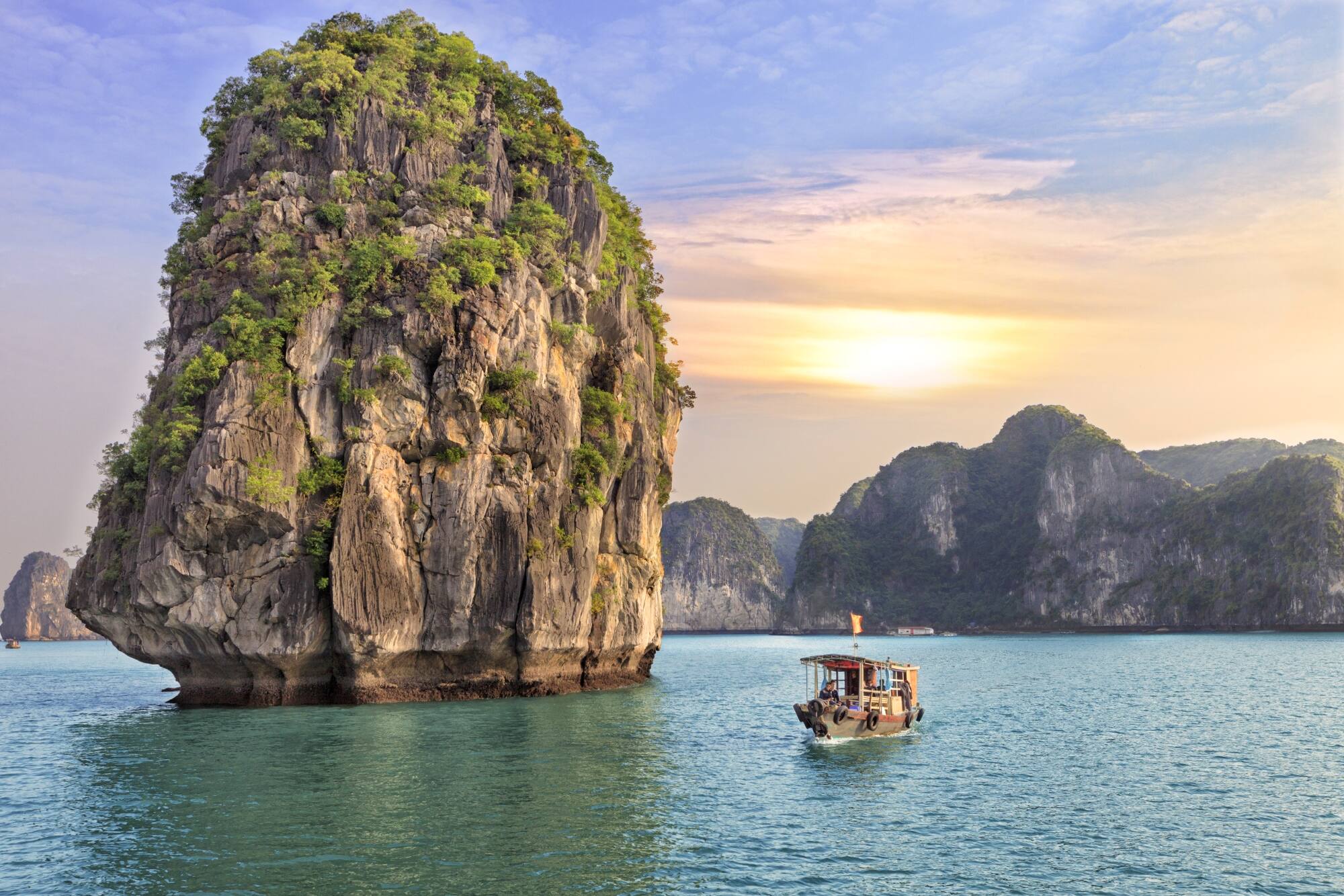
Recognized as a UNESCO World Heritage site, Halong Bay translates to Descending Dragon Bay in English. According to legend, dragons created thousands of tiny islands to defend the country against invaders. Halong Bay’s secluded lagoons and caves are best explored up close via a boat cruise or low-wind kayaking. Some of our cruises to Vietnam feature late-night or overnight stays near Halong Bay, giving guests more time to admire the landscape.
Halong Bay at a glance
- Signature features: karst pillars, hidden lagoons, serene bays
- Why it was designated as an UNESCO site: limestone towers and caves shaped over 500 million years ago
- Ideal for: photographers, first‑time visitors to Vietnam
- Practical tips: lightweight layers, non‑slip sandals, drybag for phones/cameras, clip-on re-usable water bottle (no plastic is allowed in Halong Bay)
Learn more about cruises to Halong Bay.
2. Komodo National Park, Indonesia
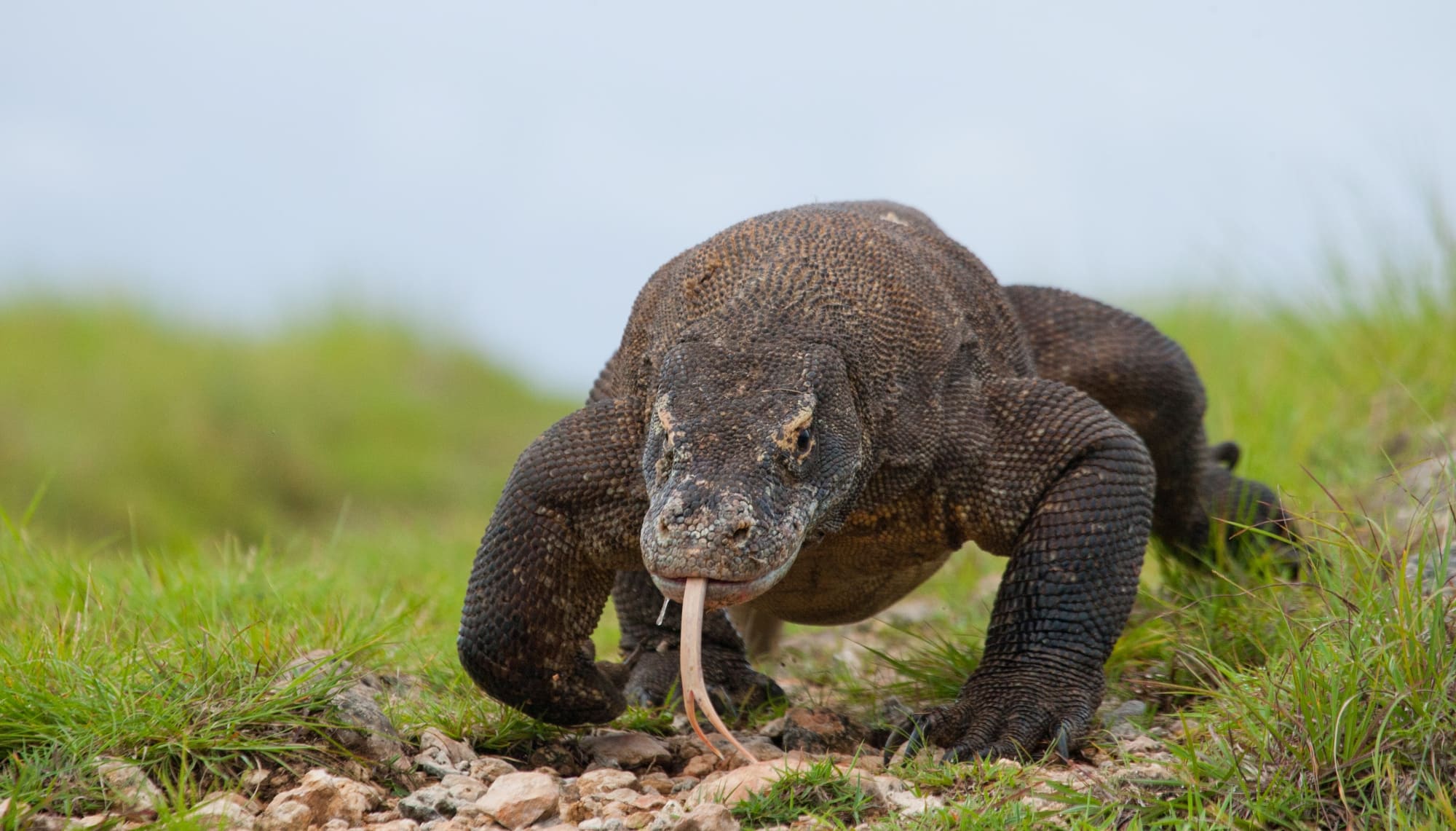
Amid Komodo Island’s sun-bleached hills and pink-cast beaches lurks the Komodo Dragon, the world’s largest lizard at an intimidating 150–200 pounds. UNESCO-listed Komodo National Park makes our list because of its truly untamed nature, the only place in the world where these carnivores roam wild. Though the “dragons” are the island’s main draw, other intriguing animals live in the park as well: Timor deer, water buffalo, macaques, and fish such as manta rays and sharks.
It is forbidden to hike independently through Komodo National Park, but you wouldn’t want to do so anyway. There are approximately 5,700 apex predators on the island, known for their venomous bite and keen hunting skills. Visiting Komodo Island on a shore excursion gives you the chance to spot Komodo dragons in their natural habitat safely.
Komodo National Park at a glance
- What is a Komodo dragon? The planet’s largest lizard, endemic to Indonesia is a powerful and venomous carnivore.
- What to expect: fixed routes, no independent hiking, safety briefings, wildlife interpretation, hydration stops
- Practical tips: closed‑toe shoes, no dangling items; always follow the guide’s spacing rules
Learn more about cruises to Komodo Island.
3.Boracay, the Philippines
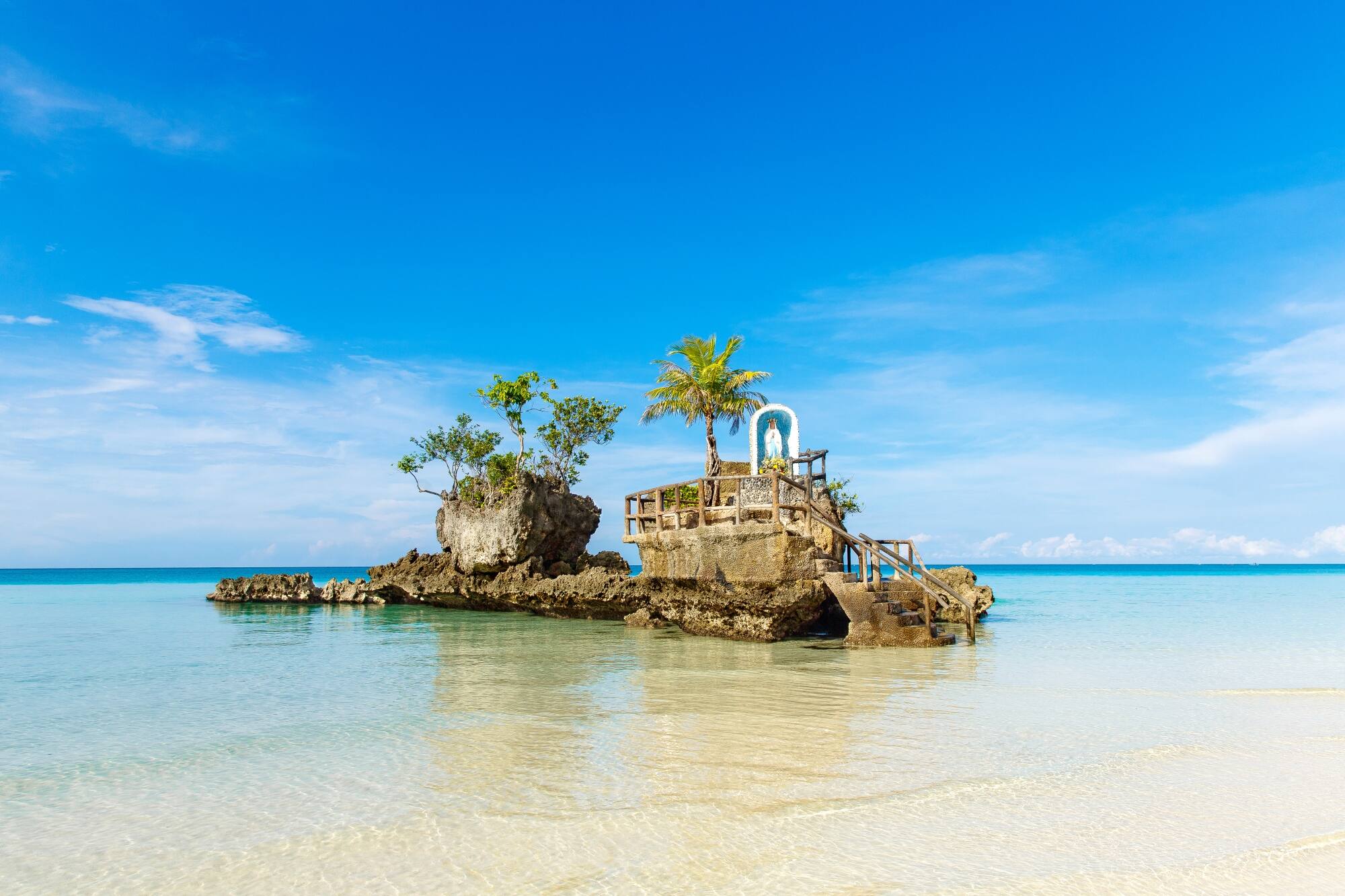
Boracay is a small tropical island in the Philippines, known for colorful reefs, powdery, sugar-white sand, and Willy’s Rock — a seaside shrine and grotto. Put on some flippers and try snorkeling — the surf is gentle and warm. White Beach, which is consistently rated one of Asia’s best beaches, is another top thing to see while on Boracay. To deepen your understanding of the Philippines’ cultural history, visit the Motag Living Museum, an immersive look at early rural life on Boracay, long before the tourists.
Boracay at a glance
- What is Willy’s Rock: a religious shrine and grotto
- Snorkel tips: bring a rash guard, reef‑safe sunscreen, and know your limits
- Safety notes: watch for currents; follow lifeguard flags and tender schedules
- Culture add‑on: Motag Living Museum
Learn more about cruises to Boracay.
Ready to experience Asia’s natural beauty? Learn more about cruises to Japan, South Korea, Vietnam and beyond.
4. Mt. Fuji, Japan
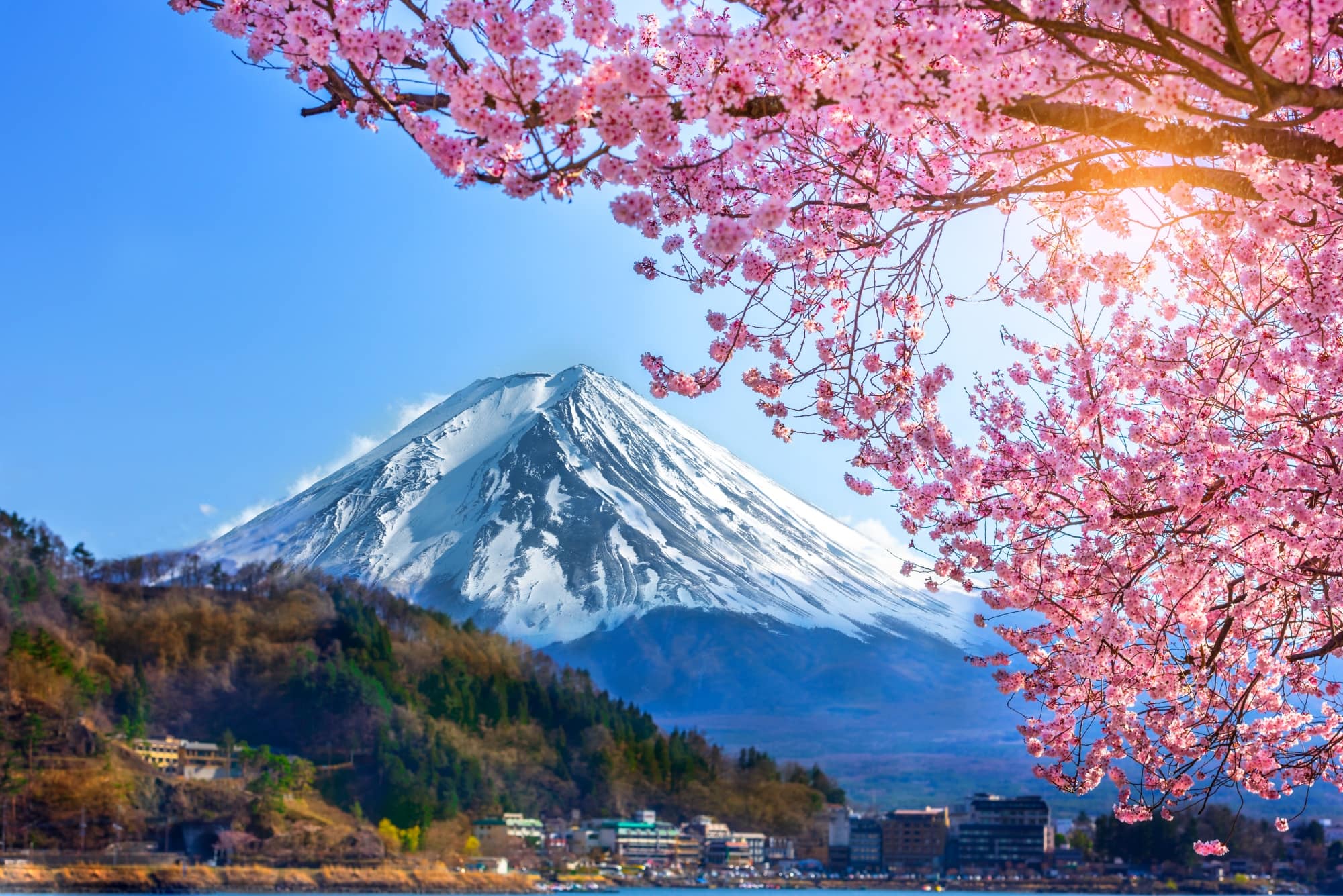
Shimizu is your gateway port to Fujisan — Japan’s 12,388‑foot snow-capped volcano surrounded by lush green tea fields. On clear days, you will see Mt. Fuji rising above Shimizu as the ship eases into port. Shore excursions offer a deeper experience — take in views of Mt. Fuji while attending an artisan tea ceremony or visiting a shrine. If you like photography, consider carrying an SLR camera with a mid-zoom lens to best capture the essence of this sacred mountain.
- What to wear: layered clothing, wind shell, sturdy walking shoes, hat and UV protection
- Best views: morning and late afternoon; sakura (cherry blossoms) in spring
- Shore excursion options: scenic drives, tea farm visits, shrine stops
- Practical extras: bring yen for snacks and offerings; respect shrine etiquette and roped-off areas
Learn more about cruises to Shimizu.
5. Seoraksan, South Korea
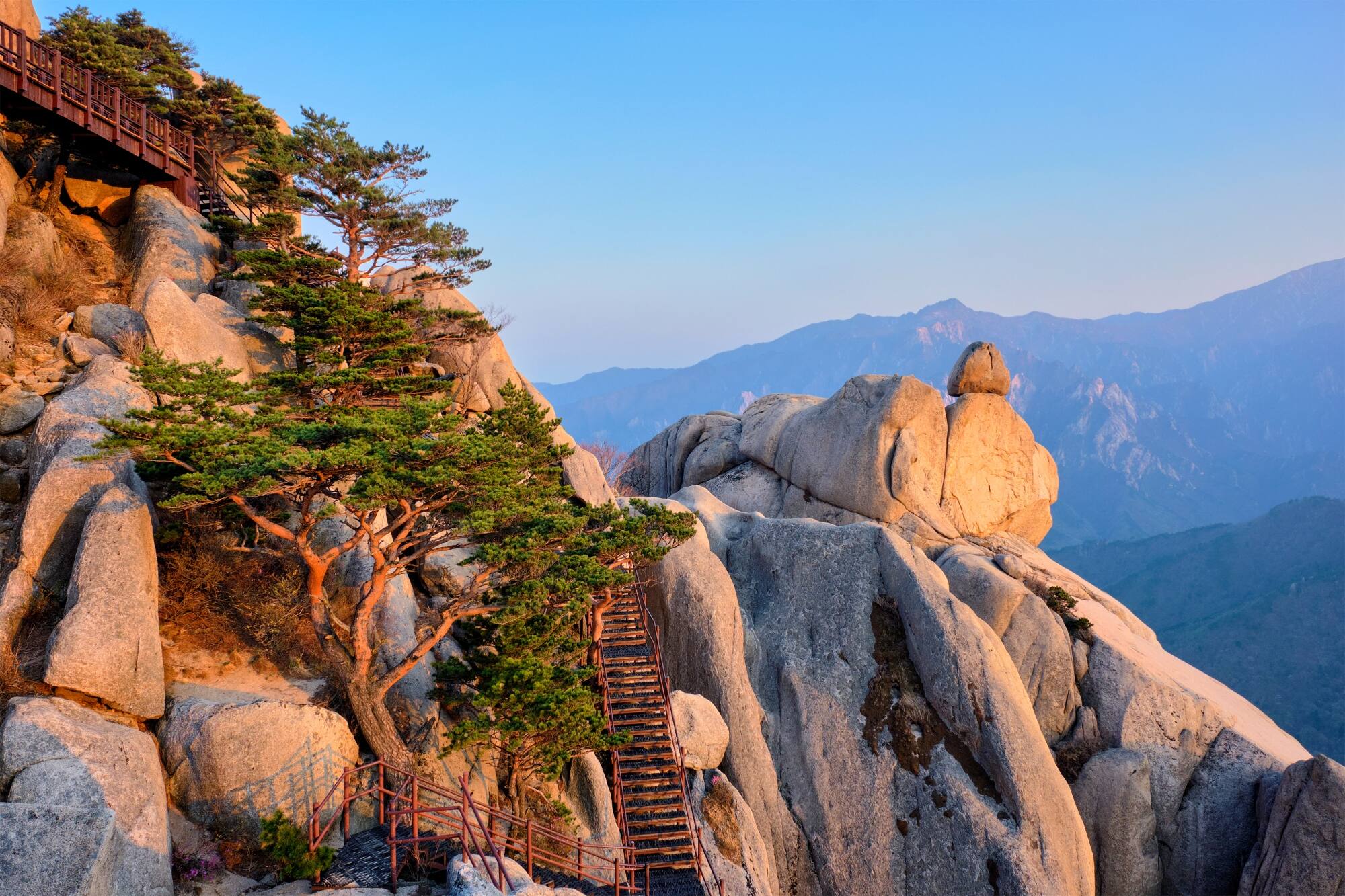
Seoraksan National Park — a UNESCO Biosphere Reserve with breathtaking granite spires, maple forests, and rare alpine flora is located a few hours from Sokcho, a densely populated coastal city. Amble down a well-marked trail to view notable landmarks, such as Sinheungsa Temple’s serene courtyards or Heundeulbawi (“shaking rock”), a massive boulder perched on a granite slab. Listen for the call of magpies — a symbol of good fortune in Korea. Though rare, you might spot a goral, a small goat-like animal found on high cliffsides.
There are multiple ways to experience Seoraksan on a shore excursion: enjoy a one-hour guided hike through the Osaek Valley or a cable-car ride up to the Cheoksan Hot Springs Zone for a relaxing foot spa. After your time in the great outdoors, head to Sokcho for Korean specialties such as dakgangjeong (crispy chicken), fresh squid, or bibimbap.
Seoraksan at a glance
- Wildlife & flora: Korean goral (rare), river otter, edelweiss, and pine forests
- Trail highlights: Sinheungsa Temple to Heundeulbawi; cable car to the Cheoksan Hot Springs (weather dependent)
- Activity level: easy to moderate; elevation and steps; allow 2–4 hours total
- Practical tips: shoes with grip, trekking poles, waterproof layers, and cash for cable car
Learn more about cruises to Sokcho.
6. Sakurajima, Japan
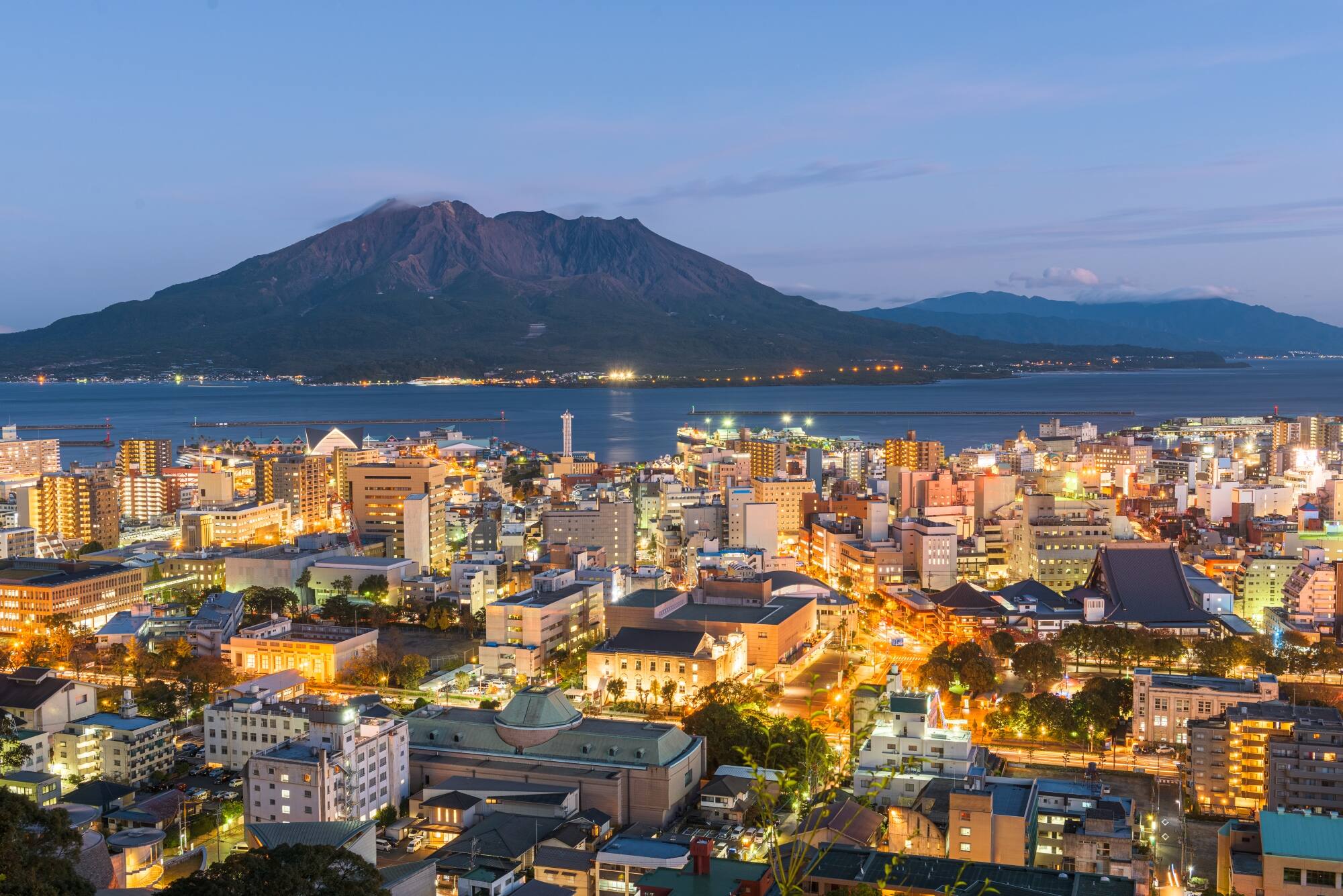
Not only does a cruise to Asia offer the chance to experience nature’s tranquility, but it also showcases nature’s power. Near the port in Kagoshima, Sakurajima smolders, a stunning volcano that frequently erupts in dramatic displays, sending a plume of ash and steam several thousand feet into the air. Our shore excursions take you to Sakurajima Island via ferry and then on to Sengan-en garden. Tour guides teach you about Sakurajima’s eruption history and about what daily life is like in Kagoshima.
Sakurajima at a glance
- What to expect: occasional ash; bayside panoramas
- Logistics: short Kagoshima–Sakurajima ferry; coach to observatories and lava trails
- Safety: follow your guide’s instructions; heed ash and wind advisories; protect cameras, wear a light mask if sensitive to ash
Learn more about cruises to Kagoshima.
Frequently Asked Questions
What safety and conservation measures are taken during excursions to sensitive locations?
Wildlife areas like Komodo require ranger‑led groups on fixed trails and safety briefings. Volcanic sites such as Sakurajima follow real‑time advisories and avoid restricted zones. In marine and karst environments, operators use designated moorings, avoid feeding wildlife, and practice Leave No Trace principles. Guests are encouraged to use reef‑safe sunscreen and refillable water bottles and follow all safety rules.