Cruise Itineraries with the Most Breathtaking Sailing Days
What are cruises with the most scenic sailing days?
Picture glaciers drifting past the ship, waterfalls cascading down fjord cliffs, and rugged coastlines sliding into view hour after hour. That is the appeal of cruises with the most scenic sailing days, also known as scenic cruising experiences — itineraries built to maximize time spent gazing at breathtaking landscapes directly from the deck rather than crossing long stretches of open ocean. These routes are planned around iconic natural features such as glacier fields, volcanoes, coastal mountains, and wildlife-rich waterways.
Many of these itineraries include designated scenic cruising segments, where the ship navigates through fjords, glacial inlets, narrow channels, or dramatic coastal passages. That makes them different from a standard sea day. A standard Day at Sea usually means open-water travel with horizon views, while scenic cruising keeps landscapes in view for hours and the bow is open (weather permitting) for full panoramas from the front of the ship.
For travelers who love photography, wildlife viewing, and awe-inspiring scenery, the number of scenic sailing segments on an itinerary can matter as much as the ports themselves.
Key Takeaways
- Scenic sailing days are designated cruising experiences through fjords, glacier bays, and coastal passages where astonishing landscapes stay in view for hours.
- Alaska, the Norwegian fjords, Chilean Patagonia, and New Zealand’s Fiordland are the regions best known for scenic cruising.
- Ships often slow down or reposition near glaciers and waterfalls so guests can take in the views and spot wildlife.
- Geography drives the experience: fjords, glacier corridors, and island-dotted waterways create near-constant scenery.
- Look for “scenic cruising” on the itinerary and prepare to spend some time on deck, your stateroom verandah, or the bow, which is often open just for the occasion
Why Scenic Sailing Days Are One of the Highlights of a Cruise
Scenic cruising lets travelers enjoy breathtaking landscapes from the ship, not only during shore excursions. As the ship passes major landmarks (such as under the Golden Gate Bridge or through the Panama Canal), it slows down or repositions so guests can fully appreciate glaciers, waterfalls, towering cliffs, and wildlife sightings. In effect, the ship becomes a moving observation platform, offering panoramic views from open decks, the Crow’s Nest, and verandah staterooms. Few experiences compare.
The best scenic itineraries are timed to make the most of daylight while sailing through the most visually impressive regions. On some voyages, onboard destination experts narrate the experience, helping guests understand the geology, wildlife, and history of what they are experiencing. The result is a richer, more immersive experience — one where slowing down to look is the entire point.
Destinations Known for Scenic Cruising Days & Experiences
Some regions naturally deliver more scenic sailing than others, because ships travel through fjords, glacier corridors, and island-filled waterways rather than across open ocean. Some destinations stand out for the sheer density of scenery packed into a single voyage, and they tend to dominate any list of the most scenic cruises in the world. The four below top our list of memorable scenic cruising destinations, though keep in mind, this is just the beginning:
Alaska and the Inside Passage
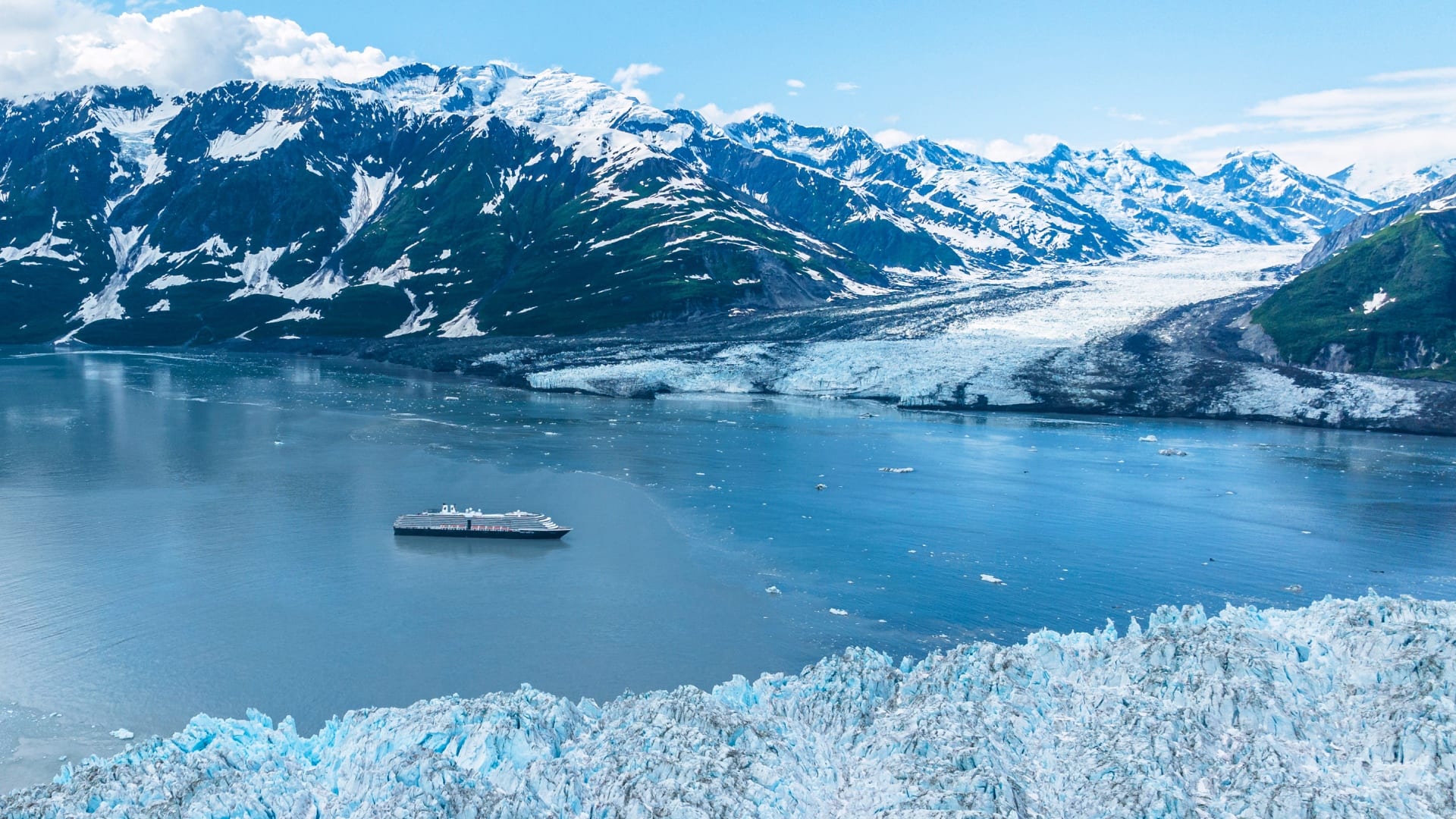
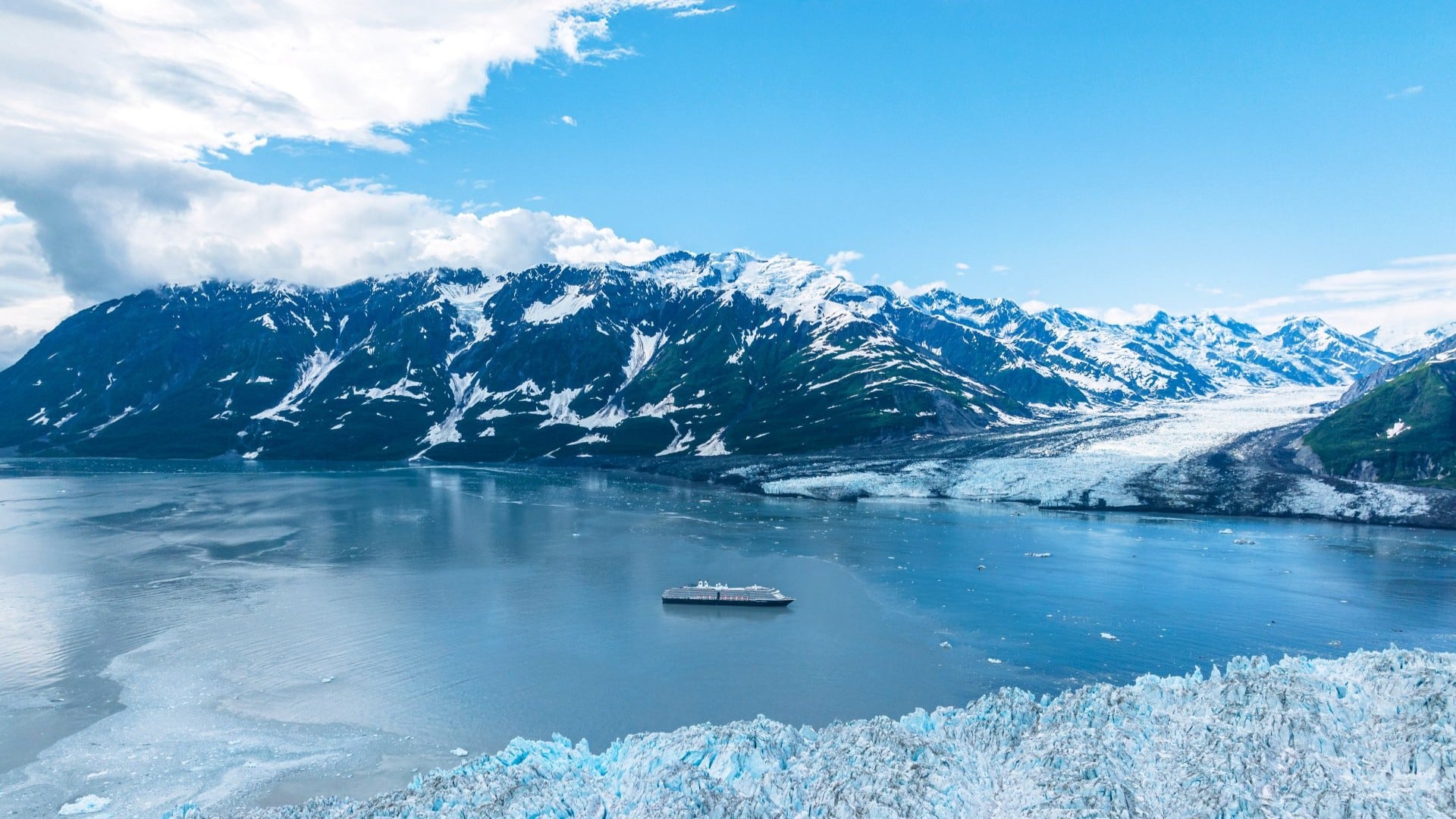
Alaska itineraries often include multiple scenic cruising experiences through areas such as Glacier Bay, Tracy Arm Fjord, and the Inside Passage. Glacier Bay is a protected national park with limited access, and ships spend the better part of a day there, pausing in front of a tidewater glacier as guests wait in breathless anticipation of calving. The Inside Passage offers near-constant coastal scenery — forested islands, towering mountains, and secluded wildlife habitats unfolding for hours at a time.
Up-close viewing of a massive tidewater glacier is part of the Alaska cruise experience. Along the way, it is common to spot whales, sea otters, bald eagles, and other wildlife while sailing through these sheltered waters, and the long northern daylight stretches the viewing well into the evening.
Norwegian Fjords
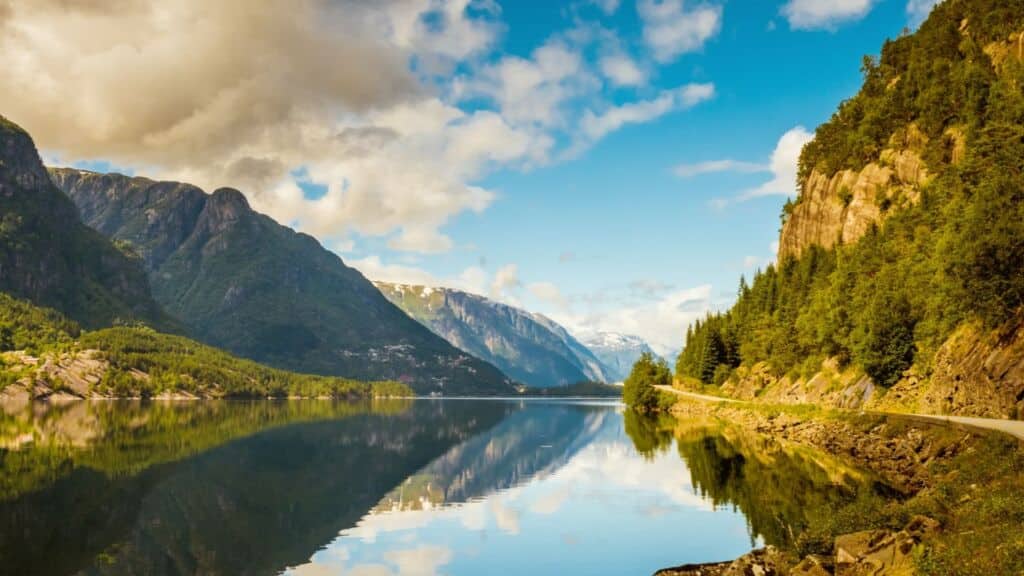
Norway’s fjords rank among the most iconic scenic cruise destinations, thanks to their towering cliffs, narrow waterways, and cascading waterfalls. Itineraries often include famous fjords such as Nordfjord, Hardangerfjord, and Sognefjord, some of which are UNESCO-listed for their natural beauty. As the ship sails deep into these waterways, pastoral villages, dramatic mountain scenery, and gushing waterfalls appear directly alongside the deck, close enough to feel the full scale of the landscape. In summer, near-endless daylight means picture-perfect views, even late into the evening.
Chilean Fjords and Patagonia
Cruises along South America’s southern coast travel through the Patagonian fjords, the Beagle Channel, and glacier-lined waterways, sometimes rounding the legendary waters near Cape Horn. The landscapes here are cinematic and remote — rugged mountains, uninhabited islands, and expansive glaciers that few travelers ever reach by land. These itineraries often include extended scenic sailing segments through wilderness areas accessible almost exclusively by ship. To go deeper, travelers can explore the region with a Patagonian Fjord Cruise & Hot Springs Experience or explore further on the Antarctic Experience.
New Zealand’s Fiordland National Park
Cruises around New Zealand frequently include scenic navigation through Milford Sound, a UNESCO World Heritage area. The region is defined by cliffs, plunging waterfalls, rainforest-covered mountains, and mist-filled fjords. Ships typically cruise slowly through these waterways so guests can take in uninterrupted views of the surrounding landscape, often with little more than birdsong and falling water to break the quiet.
Must-Sees: Geographic Features to Look for on Your Cruise Itinerary
Volcanoes, glaciers, even human-made creations, such as the Panama Canal or Golden Gate Bridge, offer unforgettable scenic cruising experiences.
Understanding what to look for makes it easier to recognize which itineraries will keep landscapes in view for a longer period of time rather than minutes, and why two cruises to the same region can feel completely different from the deck.
Fjords and Narrow Coastal Passages
Fjords and narrow waterways deliver continuous scenery because the ship sails close to cliffs, waterfalls, and mountains rather than across open ocean. These routes typically follow glacier-carved valleys filled with crystal-clear seawater, creating stunning views. The narrower the passage, the more immersive the experience tends to feel.
Glacier Viewing Opportunities
Some itineraries include dedicated glacier-viewing days, when the ship travels deep into a glacier bay or fjord for close-up views. Alaska cruises with Holland America have a Glacier Guarantee™, that guarantees guests will experience the awe-inspiring beauty of glaciers on every Alaska cruise and cruisetour. The ship may pause near the ice so guests can watch for glacier calving and hear the sharp crack of breaking ice echo across the water. Some South America cruise itineraries offer scenic glacier cruising experiences through Glacier Alley, a stretch of the Beagle Channel known for shimmering glaciers flowing down from massive peaks.
Island-Dotted Coastal Routes
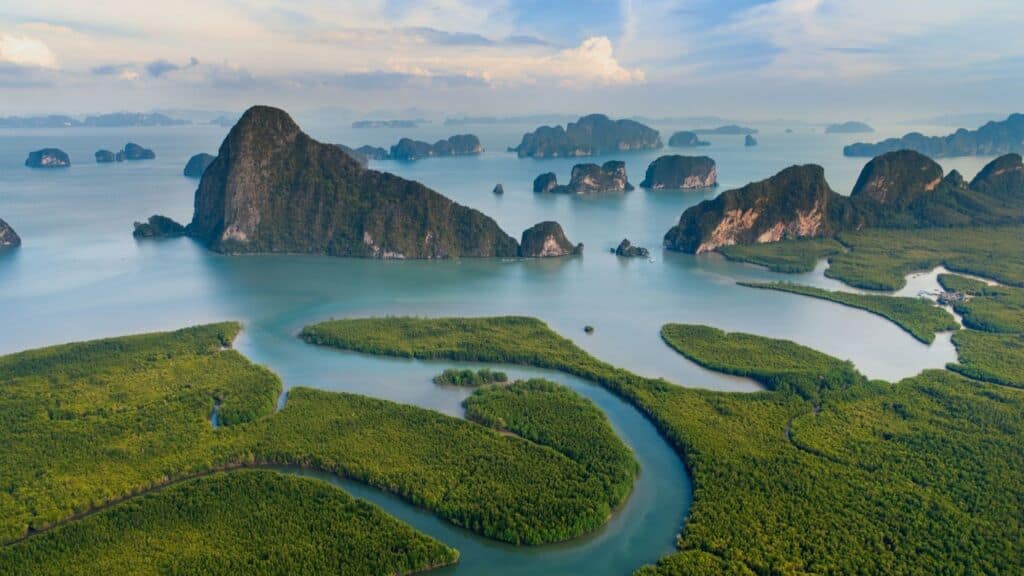
Regions such as Alaska’s Inside Passage are threaded with hundreds of islands and sheltered waterways, and the beauty is nearly constant. Sailing among the islands also tends to mean calmer water and more frequent wildlife sightings, since protected channels shelter the ship from open-ocean swells.
Scenic Navigation Rather Than Open Ocean Travel
The most visually engaging itineraries focus on coastal cruising, fjords, and protected channels.
When you compare sailings, fewer open-ocean days usually translates into more time spent looking at something even more remarkable than wide open sea-to-sky horizon views — a useful rule of thumb when an itinerary does not spell out its scenic cruising experiences.
How to Find a Cruise with the Most Scenic Sailing Days
You can spot an especially scenic cruise by reading the itinerary details closely. A few reliable signals point to more time among postcard-worthy landscapes and landmarks, and keeping them in mind makes it easier to compare two sailings that look similar at first glance.
1. Look for “Scenic Cruising” on the Itinerary
Many itineraries label specific days as scenic cruising, which signals extended navigation through particularly beautiful landscapes. Days marked this way are planned around the scenery itself, not transit between ports.
2. Choose Routes Known for Fjords or Glacier Passages
Regions with fjords, glaciers, and narrow coastal passages naturally deliver the most spectacular scenic cruising. Alaska, Norway, Patagonia, and New Zealand are reliable choices when scenery is the priority.
3. Consider Itineraries with Multiple Coastal Navigation Days
Routes that follow coastlines or thread through archipelagos tend to provide continuous scenery throughout the voyage, rather than concentrating it into one or two highlight days. More coastal navigation generally means more to look at from the deck.
4. Travel During the Best Viewing Seasons
Timing shapes the experience. Longer daylight hours in northern regions like Alaska and Norway extend viewing time well into the evening, while choosing the right season can also mean clearer air and calmer seas for taking it all in.
5. Find Your Spot Early to Enjoy the Views
The Crow’s Nest at the top and front of the ship, wraparound promenade decks, and verandahs (balcony staterooms) make a real difference for enjoying landscapes during scenic sailing. Holland America ships are thoughtfully designed with these vantage points in mind, so a memorable view is rarely more than a few steps away. Floor-to-ceiling windows in public spaces also mean you can keep watching the scenery without braving the chill on deck. Typically, during scenic cruising, the bow will be open for astonishing views from the front of the ship.
Experience Scenic Cruising with Holland America
Some cruise itineraries are designed specifically to showcase the regions known for glaciers, fjords, rugged coastlines, and remote wilderness. Choosing an itinerary with scenic cruising segments lets you enjoy these landscapes directly from the ship while sailing through iconic regions like Alaska, Northern Europe, and South America.
Holland America offers voyages with scenic cruising days through destinations like Alaska’s glacier regions, the Norwegian fjords, and remote coastal passages, complete with observation areas built for taking it all in. If you are drawn to cruises with the most scenic sailing days, explore the available itineraries to find voyages that feature glacier viewing, fjord navigation, and extended scenic sailing.
Frequently Asked Questions About Scenic Cruises
What are the most scenic cruises?
Cruises through Alaska, the Norwegian fjords, Patagonia, and New Zealand are widely considered the most scenic. Each is defined by glaciers, cliffs, waterfalls, and dramatic coastal landscapes that stay in view for a longer period of sailing.
What Caribbean cruises have the most scenic sailing days?
Caribbean cruises focus more on island destinations than on scenic cruising experiences, so they generally have fewer dedicated scenic sailing days. That said, routes through the Eastern Caribbean and the British Virgin Islands can offer beautiful coastal views between ports.
What are the best cruise destinations for scenery?
Alaska, Norway, Patagonia, and New Zealand top most lists for scenery. They combine fjords, glaciers, waterfalls, abundant wildlife, and rugged coastlines in ways few other regions can match, and all four places are built around sailing through protected waters rather than open ocean.
Do ships slow down during scenic cruising?
Yes. Ships often slow down or reposition during scenic cruising experiences so guests can enjoy extended views and take photos of major natural landmarks like glaciers and waterfalls.
When is the best time of year for scenic cruising?
It depends on the destination. Summer is ideal for Alaska and Norway, where long daylight hours stretch viewing time across much of the day, while New Zealand and Patagonia are best during the Southern Hemisphere’s warmer months.