How to Pack for Iceland & Norway: A Smart, All-Season Guide
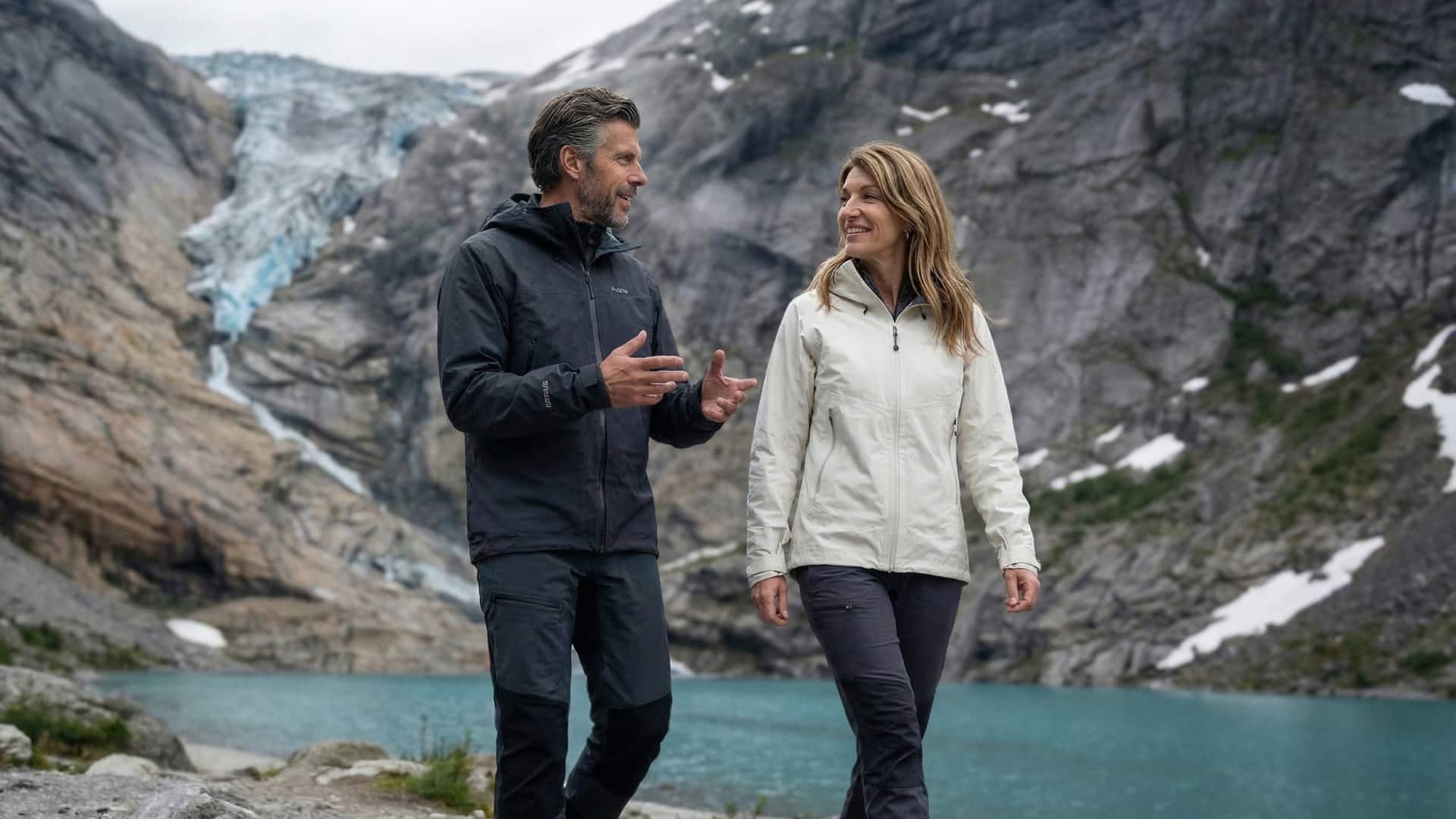
Iceland and Norway’s weather is famously unpredictable, often shifting from sunshine to rain within hours. But with a well-planned approach focused on layering, packing for Iceland and Norway becomes simple, leaving you free to enjoy the experience in any season. Whether you are sailing through Norway’s fjords or exploring Iceland’s dramatic coastlines and ports such as Reykjavík, preparation makes all the difference.
Quick Overview of Packing Essentials
- Build outfits around a three-layer system for flexibility and comfort
- Choose waterproof, windproof outerwear to handle Iceland’s and Norway’s changing conditions
- Pack sturdy, waterproof footwear for uneven terrain and outdoor excursions
- Adjust your layers based on the season, not just the forecast
- Bring practical extras like a daypack, adapter, and swimwear
- Stick to neutral pieces for easy mixing and matching
Master the Three-Layer System
At the core of smart packing for both Iceland and Norway is a reliable three-layer system.
Layer 1: Start with a moisture-wicking base layer, such as merino wool, to keep you dry.
Layer 2: Add an insulating mid-layer, like fleece or a lightweight down jacket, to retain warmth.
Layer 3: Complete your look with a waterproof, windproof outer layer, which is essential in both destinations, where wind and changing conditions are common.
To streamline your packing, stick to neutral tones and include one accent color. This allows you to create multiple outfits with fewer pieces, whether you are exploring waterfalls in Iceland, having a night out in Oslo, or wandering through charming Norwegian coastal towns.
Pack Smart for Every Season
Layering is essential year-round across both destinations, though each season calls for slightly different pieces. In summer, lighter layers work well, though a jacket is still necessary. A sleep mask and sunglasses are especially useful due to long daylight hours in both Iceland and Norway.
Spring and fall require flexibility, as temperatures can shift quickly. Waterproof layers and wind protection are key for everything from coastal hiking in Norway to horseback riding through Iceland’s wide-open landscapes.
Winter calls for more insulated layers. An insulated coat, thermal layers, and cold-weather accessories such as gloves and hats will help you stay comfortable as you explore snow-covered Norwegian towns on our new year-round Europe cruises.
Experience Europe in any season with new year-round cruises.
Choose the Right Footwear
Footwear plays a crucial role in your experience. Many of Iceland’s natural attractions, such as Thingvellir National Park and Norway’s scenic viewpoints require short walks over uneven or slippery terrain. Waterproof hiking boots with good grips are a smart choice for both. A second pair of comfortable shoes is useful for city exploring or evenings out in Reykjavík, Oslo, or other ports.
Don’t Skip Essential Extras
Pack a daypack for excursions, a reusable water bottle, and a universal adapter (Types C & F works in both countries). Swimwear is a must for Iceland’s geothermal pools and can also come in handy for spa experiences in Norway.
Sunglasses, sunscreen, and accessories like a hat and scarf will help you stay comfortable in both climates, where wind and reflective light can be stronger than expected.
What to Wear at Night in Norway & Iceland
Evenings in Reykjavík, Oslo, and other Nordic cities feel relaxed yet polished. Locals tend toward understated, stylish outfits, such as dark jeans, boots, and a well-fitted sweater or jacket. The overall look is casual but intentional, making it easy to transition from dinner to a night out.
Luggage Tips for Easy Travel
Use packing cubes to stay organized and roll clothing to save space. Wearing bulkier items in transit can help free up room in your luggage. Keep important documents easily accessible, and consider printed backups, especially when traveling between ports or more remote areas.