

Cruise Ship Secrets: The Science of Staying Afloat
How Do Cruise Ships Stay Afloat? Fun Facts Behind the Science of Cruising
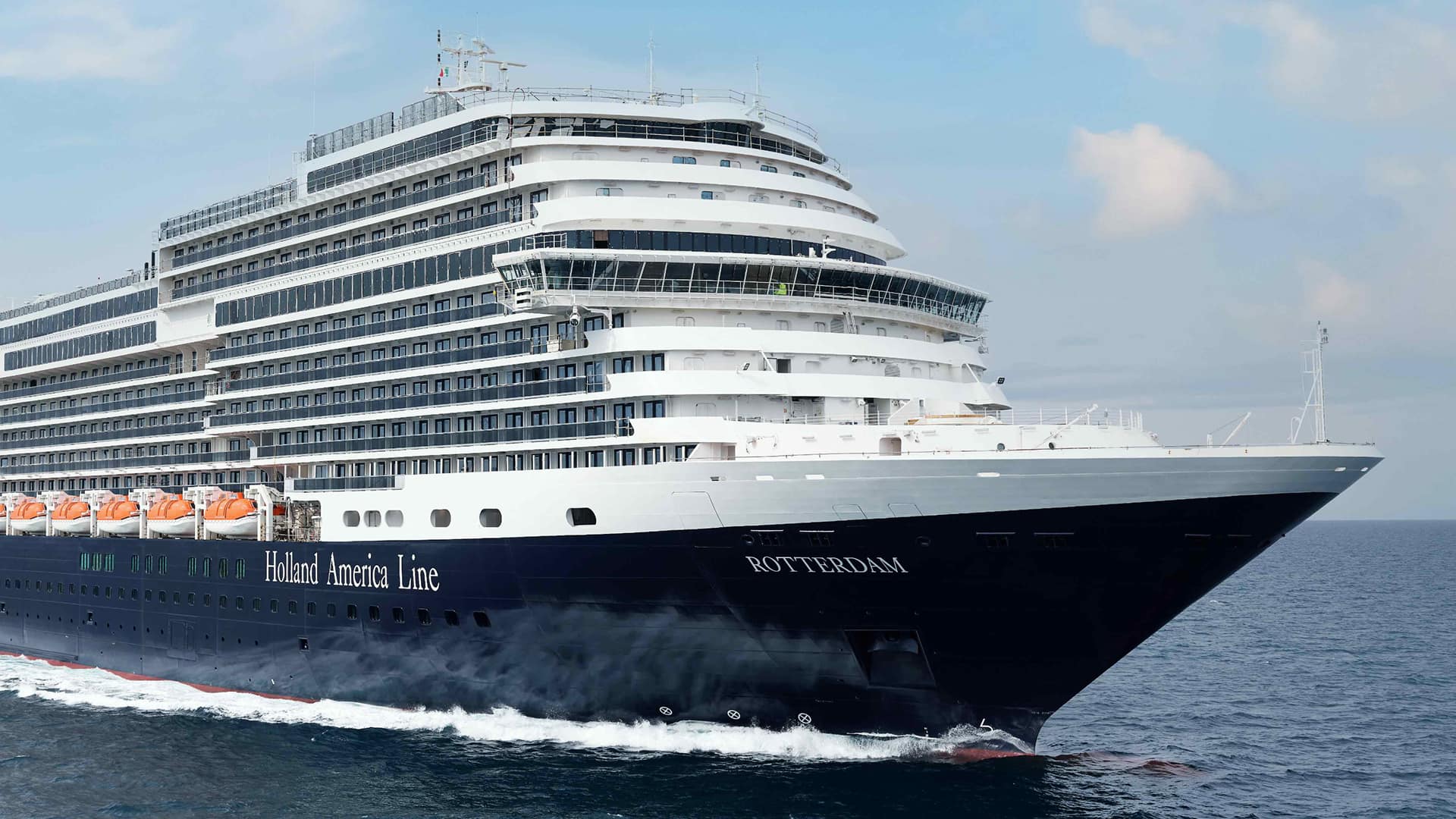
Cruise ships are floating resorts — complete with restaurants, theaters, pools, and thousands of guests — so it’s fair to ask: How do cruise ships stay afloat?
The answer lies in a fascinating mix of ancient science, modern engineering, and a few cruise ship secrets happening behind the scenes. Let’s break down the science of cruising in a way that’s easy, fun, and maybe even a little nerdy (in the best way).
The Principle of Buoyancy and Cruise Ship Floatation
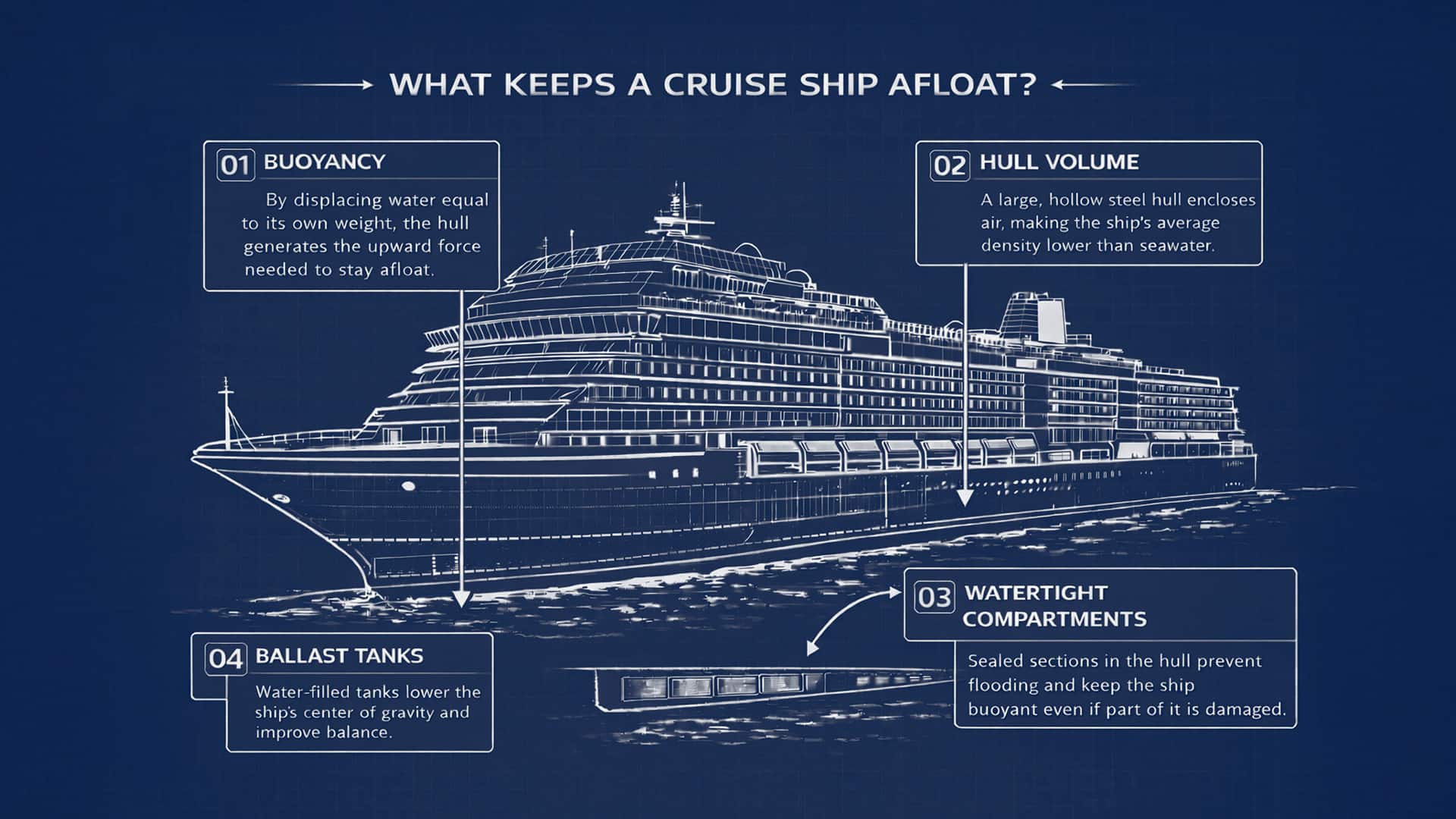
At the heart of every floating ship is a concept called buoyancy. Buoyancy is the upward force that water exerts on an object placed in it — and it’s the reason massive cruise ships don’t sink like a stone.
This idea comes from Archimedes’ Principle, which states: An object will float if it displaces a volume of water equal to its own weight.
In other words, a cruise ship stays afloat because it pushes aside (or displaces) enough water to create an upward force that balances its enormous weight.
A Fun Archimedes Fact
Legend has it that Archimedes discovered this principle when he noticed water spilling over the tub while bathing. He was so thrilled that he ran through the streets shouting “Eureka!”
Hull Design and Stability Features
Science explains why cruise ships float, but engineering explains how they stay stable, comfortable, and safe.
What Is Ship Stability?
Ship stability is the balance between a vessel’s weight and the buoyant force supporting it. A well-designed cruise ship doesn’t just float — it returns to an upright position after waves, wind, or movement.
Naval architects rely on hydrodynamics, hydrostatics, and material science to design ships that are both strong and sail smoothly.
Impress Your Fellow Guests & Friends with Cruise Ship Vocabulary:
- Hull: The watertight body of the ship that gives it shape and buoyancy
- Buoyancy: The upward force that keeps the ship afloat
- Ballast: Water stored in tanks to help balance the ship
- Stabilizers: Retractable fins that reduce rolling motion
The wide hulls of modern cruise ships are especially important since they spread weight evenly and lower the ship’s center of gravity, making the vessel more stable on the open sea.
Behind-the-Scenes Peek
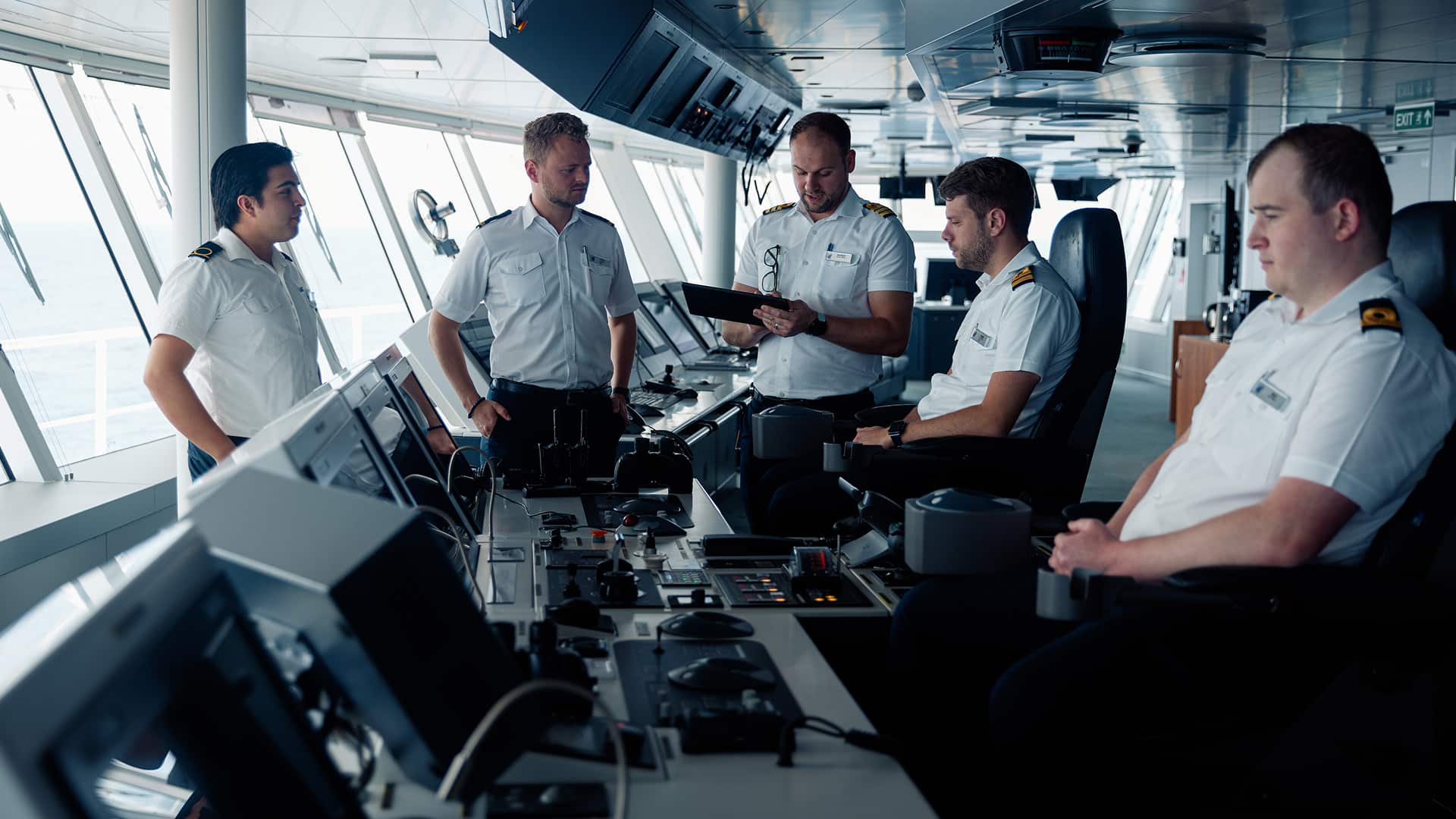
Ever wonder what’s happening behind all that smooth sailing? Take a sneak peek and geek out over the science and engineering systems that keep your vacation afloat. On select Holland America Behind-the-Scenes tours, which typically include a visit to the Bridge and Engine Control Room, guests can sometimes learn how officers monitor ballast systems, weather conditions, and ship performance in real time — an eye-opening look at the science quietly at work beneath your feet.
Ready for your next vacation? Book a cruise now.
Stabilizers and Roll Reduction
Ever notice how surprisingly smooth cruising feels? That’s thanks to stabilizers.
What Cruising Used to Be Like
Before stabilizers, ships rolled much more dramatically from side to side. Seasickness was more common, and comfort depended heavily on calm waters.
How Stabilizers Work
Modern cruise ships are equipped with retractable stabilizer fins located beneath the waterline. These fins adjust automatically based on sea conditions, counteracting waves and minimizing rolling motion — especially helpful in open ocean crossings.
The result?
- A steadier ride
- Less side-to-side motion
- More comfort for guests
It’s one of the most appreciated cruise ship secrets — working quietly so you can enjoy dinner, a show, or a good night’s sleep.
So… how do cruise ships stay afloat?
Of course, it’s more complicated than this, but here’s how a powerful trio works together:
- Buoyancy, guided by Archimedes’ Principle
- Smart hull design, engineered for balance and strength
- Advanced stabilizers and ballast systems, ensuring smooth sailing
The science of cruising is always at work, even when you’re relaxing on deck or watching the horizon roll by. And that’s the beauty of it — you don’t have to think about the physics to enjoy the journey.
Ready to experience cruise ship science for yourself?

The next time you step aboard, you’ll know exactly what’s happening beneath the waves and you can share a few cruise ship secrets along the way.






love how retractable fins and buoyancy principles keep giants like Holland America vessels steady even in rough seas
top school in Greater Noida