16 Best Places to Visit in Alaska for First-Time Travelers
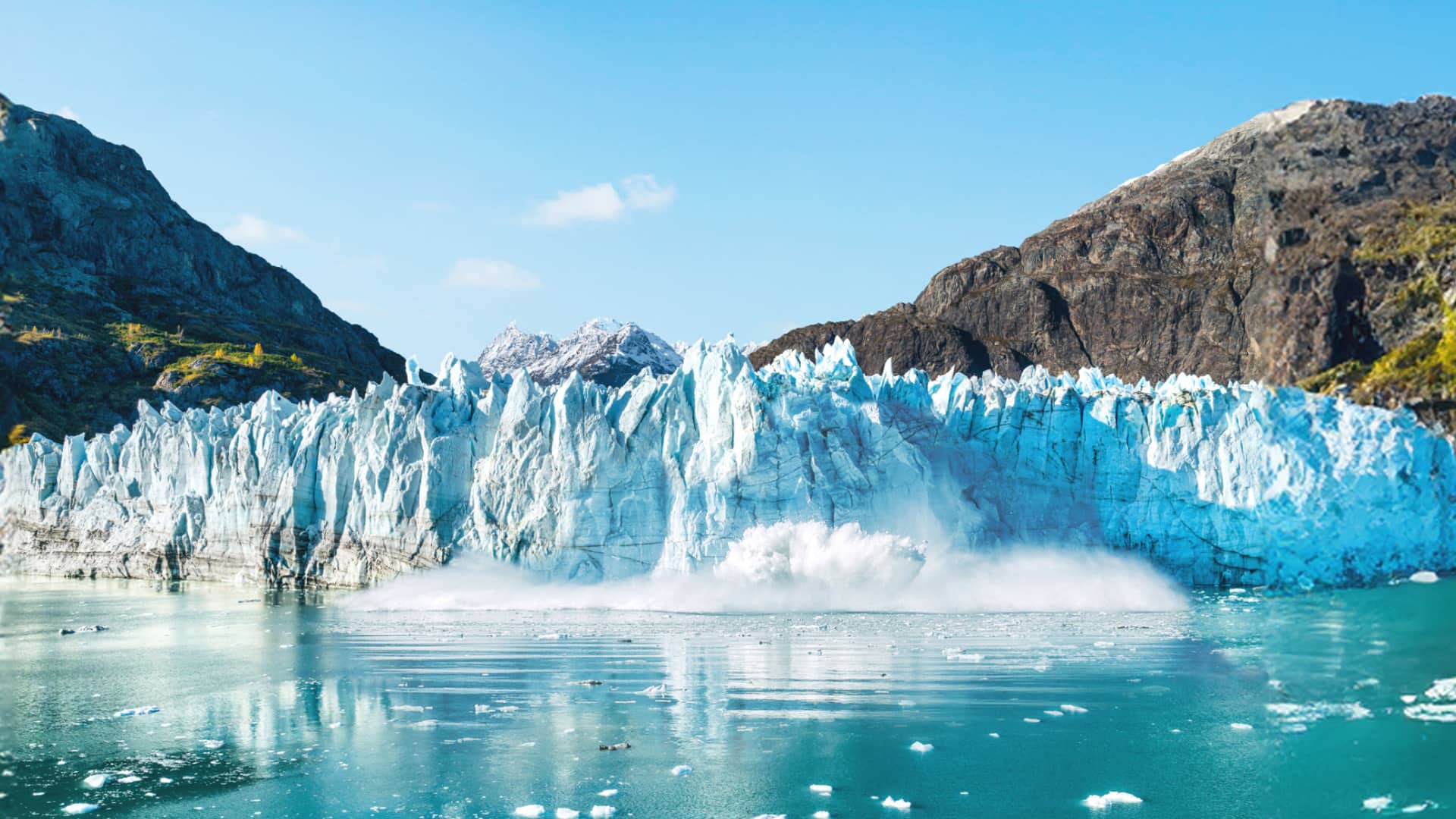
Alaska is vast, wild, and unlike anywhere else on Earth. With eight incredible national parks, nearly 1,100 species of animals, and about 23,000 square miles of glaciers (that’s nearly the size of West Virginia!), this state is a place of extreme towering mountains, endless daylight in summer, and wilderness that feels untouched by time. It’s a paradise for explorers, photographers, and anyone looking to stand in awe of Mother Nature.
But with so much to see, planning your first trip to Alaska can feel overwhelming. Should you cruise the Inside Passage or trek into Denali? Seek out glaciers, bears, whales — or all three? Keep your planning simple by taking an Alaska cruise with Holland America. We’ll handle the logistics, so you can enjoy Alaska.
This guide breaks down the 16 best places to visit in Alaska for first-time travelers — from glacier-filled bays and fjords to historic towns and hidden coastal gems — so you can find the destinations that resonate most with you.
Key Takeaways
- Alaska is home to eight national parks and more than 23,000 square miles of glaciers — making it one of the most naturally diverse places on Earth.
- Iconic destinations like Glacier Bay, Denali, and the Inside Passage are must-sees for their scenery.
- Towns such as Juneau, Ketchikan, and Sitka blend Alaska’s wild landscapes with authentic local charm.
- Whether you’re chasing northern lights, glaciers, or grizzly bears, Alaska’s beauty guarantees an unforgettable first adventure.
Things to Know Before Your First Trip to Alaska
From the right time to visit to what you’ll want to pack, a little preparation helps you make the most of your adventure. Here’s an overview of what to know before you go.
When to Visit Alaska
The best time to cruise to Alaska depends on what kind of experience you’re hoping to achieve. Summer (May through September) offers the best weather, long daylight hours, and great wildlife viewing opportunities. June and July bring the warmest temperatures, while May and September tend to have fewer visitors and still give you the chance to whale watch. If the northern lights are on your wish list, late-season cruises in September are your best bet.
Best Ways to Visit Alaska
If you want to see all the highlights of Alaska on your first trip without the stress, the best way to see it is by cruise. An Alaska cruise lets you get access to extraordinary natural wonderlands like Glacier Bay, takes you to charming seaside villages, and lets you spot whales from the deck or even your balcony — all without having to worry about the logistics. Many Holland America Alaska cruises depart from Seattle, which is a convenient and scenic port city with easy flight access and plenty of pre- or post-cruise attractions that make your first Alaska cruise experience easy and fun.
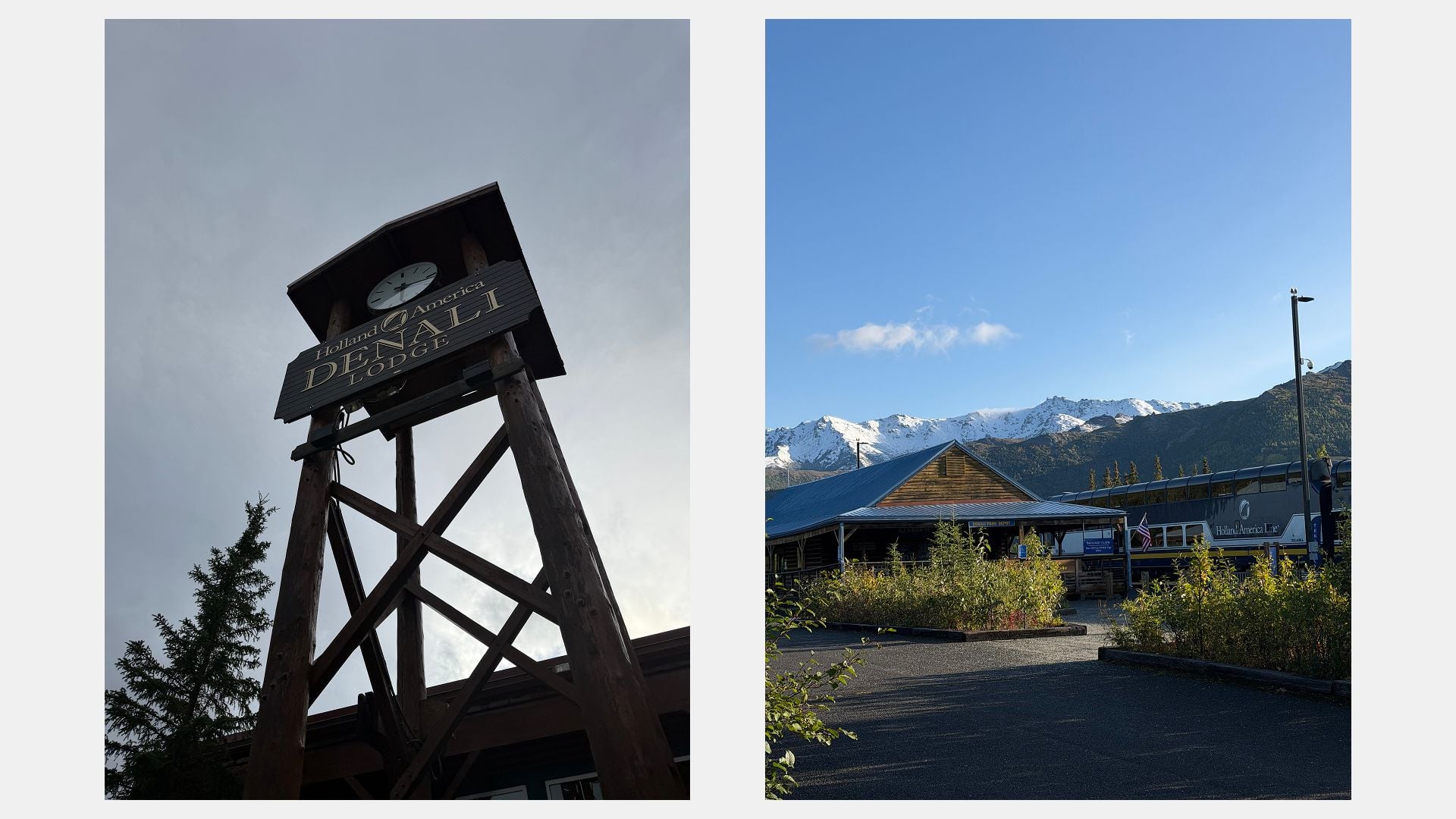
For a unique experience, take a Holland America Alaska cruisetour, a combination of cruise and a land tour that ventures into Denali National Park and into the Yukon, depending on the itinerary. You’ll stay at our private lodge in Denali, surrounded by mountains and wildlife.
What to Pack for Your Alaska Trip
Packing for Alaska is all about preparation and layers. Here are a few key things to make sure to have on your packing list:
- Waterproof outerwear
- Warm layers for cooler evenings or cloudy days
- Sturdy shoes for excursions and walks on deck
- Your passport and documentation
- Binoculars for spotting eagles and whales up close
- A great camera to capture glaciers
For more ideas about what to pack for your Alaska trip, see Holland America’s Alaska packing list.
Things to Do in Alaska
Alaska is a destination made for adventure and awe. Some of the top things to do here include:
- Marveling at towering glaciers in Glacier Bay National Park
- Fishing for salmon in crystal-clear rivers
- Hiking scenic trails through lush forests in Denali National Park
- Spotting bears, moose, and whales on wildlife tours
- Catching a glimpse of the northern lights dancing across the sky — if you’re lucky
Top Picks for First-Time Visitors at a Glance
Planning out your perfect itinerary? These are 16 of the best places in Alaska for first-time visitors to add to your list.
| Place | Description | Place | Description |
|---|---|---|---|
| 1. Glacier Bay National Park | Signature scenic cruising with tidewater glaciers, cliffs, and abundant wildlife. | 9. Skagway | Gold‑rush town anchored by the White Pass & Yukon Route railway. |
| 2. Kenai Fjords National Park | Fjords, glaciers, whales, and seabirds on day cruises from Seward. | 10. Seward | Harbor town and launch point for Kenai Fjords wildlife & glacier cruises. |
| 3. Denali National Park | Tundra landscapes, “Big 5” wildlife, and domed‑rail access on cruisetours. | 11. Ketchikan | “Salmon capital” with totems, Creek Street, and Misty Fjords access. |
| 4. Prince William Sound | Calm fjords and dozens of glaciers, sea otters, seals, and dramatic coasts. | 12. Whittier | Tiny port with tunnel access and quick routes into Prince William Sound. |
| 5. The Inside Passage | Protected waterways with fjords, islands, and frequent marine wildlife. | 13. Icy Strait Point | Indigenous‑owned port with whale/bear viewing and record‑long zipline. |
| 6. Juneau | Capital city with Mendenhall Glacier, whale watching, and tramway vistas. | 14. Mendenhall Glacier | Easy‑access glacier near Juneau with visitor center and lakeside trails. |
| 7. Anchorage | Gateway city for flights, rail, and Turnagain Arm day trips. | 15. Hubbard Glacier |
Six‑mile‑wide tidewater glacier famed for dramatic calving shows. |
| 8. Sitka | Sea‑otter viewing, totems, and Russian/Tlingit heritage on a coastal backdrop. | 16. Alaska Wildlife Conservation Center | Sanctuary along Turnagain Arm showcasing Alaska wildlife up close. |
1. Glacier Bay National Park
Glacier Bay National Park is a breathtaking wilderness in southeastern Alaska, spanning more than 3.3 million acres of mountains, fjords, glaciers and temperate rainforest. The park is dominated by tidewater glaciers — ice that reaches the sea — and massive peaks such as the Fairweather Range rising right from the water. Its terrain is accessible mainly by boat or air, so you’ll feel a sense of isolation and raw nature that’s hard to find elsewhere in the world.
Visiting Glacier Bay gives you the chance to experience Alaska’s iconic nature: watching towering ice-walls calve into deep blue waters, kayaking among floating icebergs, and spotting marine life like humpback whales, sea otters, and bald eagles.
With a full day of cruising, you’ll get to explore the remote fjords from the deck of your ship — where a National Park Service ranger will join us to teach you more about the park, the glaciers around you, and the wildlife. This national park is the perfect first-time stop with its stunning glaciers that capture some of the best of Alaska.
2. Kenai Fjords National Park
Kenai Fjords National Park is a dramatic slice of wild Alaska tucked into the southern edge of the Kenai Peninsula with a landscape of glaciers, fjords and ocean-coast mountains. The park covers more than 600,000 acres and protects the massive Harding Icefield — one of the largest icefields in the United States — from which dozens of glaciers flow toward the sea. While much of the terrain is accessible only by water or air, the road-accessible Exit Glacier offers a front-row seat to the wildness of the park.
Visitors can join boat tours through the fjords to witness tide-water glaciers calving into deep blue waters, kayak among floating icebergs, or set out on hiking trails that ascend from fjord to icefield ridge. For example, Exit Glacier’s trails allow even moderate hikers to get surprisingly close to the ice. On the marine side, keep your eyes peeled for humpback whales, orcas, sea otters, puffins and Steller sea lions in the nutrient-rich waters just offshore.
For first-time Alaska travelers, Kenai Fjords is a can’t-miss destination because it condenses so many “classic” Alaska features — glaciers, fjords, wildlife and ocean scenery — into one magical place.
3. Denali National Park
Including Denali in your itinerary offers a contrasting experience to the coastal fjords and glaciers: here you step into Alaska’s rugged heart.
Denali National Park and Preserve spans more than six million acres of wild, mostly unspoiled Alaskan landscape in the heart of the state’s interior. Towering above it all is Denali (or Mount McKinley), the tallest peak in North America at 20,310 feet. The park features a mix of forests, tundra, glaciers and massive mountains, accessible mainly via the single “Park Road” that winds into the wilderness.
All Alaska cruisetours include a guided visit to Denali National Park & Preserve. Take a bus ride along the Park Road to see remote viewpoints and abundant wildlife, such as grizzly bears, wolves, caribou and moose. For those who prefer staying closer to the entrance, moderate hikes and interpretive trails provide scenic views of the Alaska Range and glimpses of Denali’s summit on a clear day.
For someone new to Alaska, Denali encapsulates the grandeur of the interior-wild: a near-mythic summit, wide open spaces, and wildlife in its natural habitat. The scale alone is unforgettable — the park’s size and scenery dwarf many national parks, which seasoned park visitors may already know.
4. Prince William Sound
Prince William Sound is a sweeping marine wilderness in south-central Alaska, tucked between the Kenai Peninsula and the rugged peaks of the Chugach Mountains. Encompassing roughly 10,000 square miles of protected waterways, islands, fjords and glaciers, it’s home to one of the densest concentrations of tidewater glaciers in the region.
When you scenic cruise through Prince William Sound, you’ll pass massive glacier faces that calve into the water, drift alongside floating icebergs, and scan sheltered bays for sea otters, humpback whales, orcas and Steller sea lions. Kayak or boat through narrow fjords, explore forested islands of spruce and hemlock, or land for short hikes that open onto serene glacial views.
This destination is a can’t-miss because it offers an immersive blend of glacier spectacle, marine wildlife and lush coastal wilderness that many other ports only hint at.
5. The Inside Passage
The Inside Passage is a protected coastal waterway that winds through southeast Alaska, British Columbia and Washington — composed of islands, fjords, and narrow straits that shield ships from the open Pacific. Stretching for hundreds of miles, the route offers calm seas, towering rainforest-clad peaks and deeply carved inlets formed by glaciers.
For many first-time visitors, traveling the Inside Passage is as much the journey as the destination — it introduces you to Alaska’s coastal character, marine wilderness and Indigenous cultural history. Setting sail through the Inside Passage means you’ll glide past remote coastal communities, lush temperate rainforests, and waters rich with marine life.
Add in the cultural side: ports like Ketchikan and Juneau let you explore Native Alaskan art and totem poles, gold-rush history and scenic rail rides that bring together natural beauty and heritage. For a first Alaska cruise, the Inside Passage delivers the “wow” factor without requiring you to venture into ultra-remote terrain.
6. Juneau
May as well start with the setting: Juneau is the capital city of Alaska, positioned along the Gastineau Channel in the southeastern “panhandle” of the state. Nestled between soaring mountains and glacier-fed waters, the city combines urban amenities (government buildings, restaurants, shops) with frontier wilderness just outside the door.
What’s unique is that Juneau cannot be reached by road from the rest of Alaska or the lower 48 — it’s accessible only by sea or air!
In Juneau, one of the most iconic experiences is visiting Mendenhall Glacier, just a short ride from downtown — where you can view its massive ice face, learn more at a visitor center, and hike around icebergs in the lake. For a bird’s-eye view, take the Mount Roberts Tramway gondola up Mount Roberts for sweeping vistas of glacier-covered peaks, inlets and the town below.
On the water side, Juneau is a great base for whale-watching and wildlife tours in the channel and surrounding fjords — humpback whales, sea lions, bald eagles all make frequent appearances. Don’t overlook the historic downtown too: gold-rush era buildings on South Franklin Street, Alaska Native culture and art galleries give you a taste of both heritage and place. For a first-timer, Juneau hits a lot of boxes without feeling overwhelming. You get sea, forest, history, and culture all in one port.
7. Anchorage
Anchorage is Alaska’s largest city, serving as a vibrant gateway into the wilds of the state while offering full urban amenities. Nestled between the waters of Cook Inlet and the peaks of the Chugach Mountains, it gives visitors a rare mix of city accommodations with a wilderness doorway.
In Anchorage, you can wander downtown galleries, dine on fresh salmon and local craft beer, and visit the impressive Anchorage Museum to learn Alaska-Native history and art. Just minutes from the city center, you’ll find trails through Chugach State Park, moose grazing in urban parks, and scenic drives along Turnagain Arm to view dramatic tide changes and rugged peaks.
For first-time Alaska explorers, Anchorage is the ideal blend of comfort, culture and wilderness: you get to experience the nature side of Alaska and its largest urban area.
8. Sitka
Sitka is a picturesque coastal town located on the western shore of Baranof Island in southeastern Alaska’s panhandle, facing the open Pacific and nestled within the vast Tongass National Forest — the world’s largest temperate rainforest. With its roots as the former capital of Russian America and a deep Indigenous presence (particularly of the Tlingit people), Sitka carries rich layers of culture, history and rugged natural beauty.
In Sitka you can wander through the historic district and visit the Sitka National Historical Park — where totem poles, forested trails, and Indigenous-heritage displays bring the region’s culture to life. For nature seekers, kayaking in Sitka Sound, hiking to scenic viewpoints, or spotting wildlife such as bald eagles, sea otters and whales are high on the list.
Standout scenery includes views of Mount Edgecumbe — a nearly perfect cone-shaped volcano across the water — and the sheltered coastline of the Outer Passage that makes for dramatic photo-ops. Combine that with fresh seafood in town and the unique blend of Tlingit and Russian heritage and you have a layered experience of Alaska’s past and present.
The town is accessible only by sea or air, which makes it a perfect stop on a cruise itinerary. For your first Alaska cruise, Sitka offers a gentle entry into the wildness of the state with the comforts of a manageable town. The combination of rich historical-cultural context, walkable waterfronts and extraordinary scenery will be an unforgettable experience. Because it’s less visited than some of the larger ports, Sitka feels more intimate.
Ready to experience the Great Land? Learn more about our cruises to Alaska.
9. Skagway
Skagway is a small village at the head of the Taiya Inlet and the northernmost point of the Inside Passage in southeast Alaska. Born out of the late-19th-century gold-rush boom, it was the primary gateway for stampeders heading to the Yukon during the Klondike Gold Rush. Today the town blends frontier history, preserved gold-rush architecture and a dramatic fjord setting that makes it memorable for shore excursions.
One of the standout experiences in Skagway is boarding the White Pass & Yukon Route Railroad — a narrow-gauge rail line built in 1898 that climbs steeply through mountain terrain with panoramic views of glaciers, waterfalls and old mining routes. On land, you can wander the historic downtown district with its restored wooden storefronts, saloons and gold-rush museums, giving you a real sense of Alaska’s frontier past.
You should look for itineraries that include Skagway as a way to experience Alaska’s history and culture. The gold-rush story gives the town a unique narrative that few other destinations match, while the surrounding mountains and inlet provide dramatic vistas you’ll remember long after.
10. Seward
Seward is a scenic port town on Alaska’s Kenai Peninsula at the head of Resurrection Bay and surrounded by steep mountain slopes and glacier-fed waters. Often called the “Gateway to Kenai Fjords National Park,” it serves as a starting point for many wilderness adventures in the region. With road and rail access to Anchorage and a harbor capable of deep-water vessels, Seward combines rustic character with accessible infrastructure.
From Seward you can join boat tours out into Kenai Fjords National Park to see tide-water glaciers, iceberg-filled fjords and abundant marine wildlife such as whales, sea otters and sea lions. For a land-based experience, hike the easy trails around Exit Glacier or explore the harbor area, with its seaside shops, fresh seafood and Alaska SeaLife Center — an interactive marine wildlife facility.
For those visiting Alaska for the first time, Seward is a great stop because it delivers the best elements: ocean, glacier, wildlife and comfortable access all in one spot.
11. Ketchikan
Ketchikan is a coastal town on Revillagigedo Island in Alaska’s southeastern panhandle, often regarded as the gateway to the Inside Passage for northbound cruises. It’s found in the heart of the lush temperate rainforest of the Tongass National Forest, and the town boasts dramatic scenery of forests meeting ocean and a compact downtown set along Tongass Narrows.
Given its location and cruise-port infrastructure, it’s one of the first ports of call many visitors experience. And for good reason, because it’s a great spot to get a taste of Alaska in one port.
In Ketchikan you’ll find historic boardwalk-style sites such as the famous Creek Street — once a lively red-light district and now a charming collection of shops, galleries and waterfront views. The town is renowned for its rich Alaska Native heritage, visible in totem poles and cultural sites like the Totem Heritage Center and the nearby Saxman Totem Park, where traditional wood-carving and storytelling remain active.
Outdoor enthusiasts will appreciate kayaking or fishing on the misty fjords beyond town, and eagle-spotting along the salmon-rich waterways — hence its nickname as a “salmon capital” and “eagle capital.”
12. Whittier
Whittier is a unique port town in south-central Alaska, located at the head of the Passage Canal in Prince William Sound and surrounded by the towering peaks of the Chugach Mountains. There are only two ways to reach Whittier: by ship or via the 2.5-mile-long Anton Anderson Memorial Tunnel (which serves both road and rail traffic). On top of that, almost everyone in Whittier lives in one giant apartment building connected to local businesses with underground tunnels.
From Whittier you can see tidewater glaciers calve, sea otters float among icebergs and humpback whales surface in the inlet waters. Kayaking, fishing charters and scenic boat tours launch from town, offering a front-row seat to fjord-and-ice-filled wilderness. On land, you can explore the surrounding alpine trails, visit nearby glaciers or simply absorb the dramatic setting of a port encircled by steep mountains. The Prince William Sound is stunning, and Whittier takes you right to its shores. For first-time Alaska visitors, it presents a breathtaking combination of accessible adventure and majestic scenery.
13. Icy Strait Point
Icy Strait Point is a specially developed port destination on Chichagof Island in Southeastern Alaska, created by the local Tlingit‐owned Huna Totem Corporation through the redevelopment of an old cannery near the village of Hoonah. This private cruise destination is packed full of cultural heritage, wilderness access and immersive Alaskan adventure.
The facilities include a restored 1912 salmon cannery museum, waterfront shopping, local art, and a layout designed for cruise‐ship guests stepping directly into wilderness experiences.
At Icy Strait Point you’ll find some standout experiences: soar down the “world’s largest and highest” zipline spanning more than 5,330 feet with a nearly 1,300-foot vertical drop into the forests and waters below. Head out on a whale-watching tour to nearby waters like Point Adolphus, where humpback whales feed and you may spot orcas, sea otters, and abundant marine life.
For a cultural layer, visit the local Tlingit village of Hoonah, explore totem-pole carving and heritage tours, or check out the cannery museum to learn about local history, salmon commerce and native life.
At Icy Strait Point, you’re immersed in Alaska’s wild — rainforest, coastal mountains, whales and bears — all while stepping off the ship into a space shaped by the local native community and heritage. It’s especially compelling because it avoids feeling like just a “tourist stop” and instead offers authentic local flavor.
14. Mendenhall Glacier
Mendenhall Glacier, located approximately 12 miles from downtown Juneau in southeastern Alaska, is a spectacular 13-mile-long valley glacier flowing from the vast Juneau Icefield. It carves its way through forested terrain and ends at the ice-fed Mendenhall Lake, right near road access, which is rare among Alaska’s glacier destinations.
Visiting Mendenhall Glacier gives you easy access to dramatic glacier scenery: you can wander the trails to viewing platforms, stroll the paved Photo Point Trail to get stunning up-close views, or hike to the waterfall at Nugget Falls for a classic glacier + waterfall combo. The Visitor Center near the lake offers interpretive displays, a historic building, and scenic vantage points over icebergs drifting on the glacial lake.
For more adventurous types, there are kayaking or small-boat excursions on the lake, glacier-view hikes through the forest or even guided ice-cave tours (subject to conditions) for a unique experience.
For a first-time Alaska itinerary, Mendenhall Glacier is an ideal stop because you get the dramatic impact of ice and wilderness with the accessibility of a roadside attraction — no remote boat or seaplane required. The contrast of blue ice, forest and water is visceral and memorable, and because it is so close to Juneau, it fits easily into a cruise port day.
15. Hubbard Glacier
Hubbard Glacier is one of the most awe-inspiring natural features in Alaska: a massive tidewater glacier located in southeastern Alaska and extending into Yukon, Canada. It spans more than 70 miles (more than 120 km) in length and is up to six or seven miles wide where it reaches the water in Disenchantment Bay.
Because of its size and setting in the remote Wrangell–St. Elias region, visiting it means engaging with Alaska in its rawest, most dramatic form.
One of the signature experiences at Hubbard Glacier is sailing into Disenchantment Bay aboard a cruise ship (or smaller excursion boat) to witness the towering glacier face and the thunderous calving of icebergs into the sea. You’ll see ice walls rising hundreds of feet above the waterline, floating icebergs and hear the deep rumble as sections of ice break away.
Wildlife and scenery also converge here: from the viewing decks you might spot seals on ice-flows, seabirds, and coastal mountains rising steeply from sea to snowline. The sheer scale and drama of Hubbard set it apart from more “accessible” glacier stops.
For first-time Alaska cruisers, Hubbard Glacier represents an unforgettable “peak moment” — the kind of vivid memory you tell friends about for years. Its scale is unmatched: very few places let you watch a glacier of this magnitude calve right from a cruise deck. Because the glacier still actively advances (unlike many that are retreating) it’s a dynamic landscape-in-motion.
16. Alaska Wildlife Conservation Center
The Alaska Wildlife Conservation Center (AWCC) is a year-round, nonprofit wildlife sanctuary situated at Mile 79 of the Seward Highway in the Portage Valley, surrounded by the dramatic Chugach Mountains and the glacial waters of Turnagain Arm. Founded in 1993, it spans roughly 200 acres and serves as a refuge for injured, orphaned or otherwise non-releasable Alaskan wildlife. Rather than a typical zoo, the AWCC emphasizes spacious natural habitats, interpretive signage, and guided tours to deepen understanding of Alaska’s native species and conservation challenges.
Visitors to AWCC can stroll (or drive) the scenic 1.5-mile loop trail that winds through habitats featuring grizzly bears, muskox, wood bison, moose, wolves and porcupines — all in a setting of mountains and glaciers.
For those visiting Alaska for the first time, AWCC offers a uniquely balanced experience: you get to encounter iconic wildlife (think grizzly bears, muskoxen, wolves) up close and in realistic habitats, but in a convenient, accessible location near Anchorage. Including AWCC in your cruise or travel itinerary enhances your understanding of the state’s ecosystems — so when you later spot bears in the wild, you’ll already know what you’re seeing.
Take Your First Trip to Alaska With Holland America
The stunning beauty of Alaska awaits you, whether you want to visit somewhere like Juneau and Anchorage or get off the beaten path in Sitka or Whittier. Take your first Alaska cruise with Holland America, and we will take you to the highlights of this state, from Denali to Glacier Bay, and help you get up close to towering glaciers and wildlife.
Ready for an adventure unlike any other?
Explore our wide selection of Alaska cruise itineraries for your ideal way to experience Alaska for the first time.
FAQs
Is a large, mid-sized, or small cruise ship best for seeing Alaska?
While all can offer excellent experiences, mid-sized ships like those from Holland America Line provide the best of both worlds–an intimate view of Alaska’s wilderness and amenities, entertainment, and smooth sailing comfort—ideal for first-time visitors.
What is the best city to visit in Alaska for the first time?
Juneau is a top choice for first-time visitors thanks to its easy access to glaciers, wildlife excursions, and rich Gold Rush history. Ketchikan and Skagway also offer classic Alaska experiences with vibrant local culture and charm.
What is the best month to go to Alaska?
May through September is the prime cruise season, with July and August offering the warmest temperatures and the most wildlife sightings. For less crowded attractions and lower prices, consider May or early September.
What is the best way to see Alaska on a budget?
Cruising is one of the most affordable ways to explore Alaska, combining transportation, lodging, and meals in one package. Booking early, sailing in shoulder months, and choosing value-added excursions can help stretch your travel budget even further.