
Best Diving in the Caribbean: Where to Go & What You’ll Find
With warm, clear water nearly year-round and some of the most varied underwater terrain on the planet, the Caribbean has earned its reputation as a world-class scuba destination. Within a relatively compact stretch of sea, divers can drift along sheer walls, glide over shallow reefs, explore historic wrecks, and come face to face with sharks, rays, and whale sharks. That range is exactly what makes the region so rewarding: a first-time diver and a seasoned technical diver can each find their ideal day underwater only a short sail apart. A Holland America cruise is one of the easiest ways to reach these waters, linking top dive ports across the region in a single journey — explore Caribbean Cruises to see where you could descend next.
This guide to the best diving in the Caribbean breaks the region down by destination, skill level, and specialty so you can match the water to your interests. We start with the standout destinations, move through beginner-friendly and advanced sites, then dig into wall dives, wrecks, marine-life encounters, and underwater photography before covering shore diving, featured excursions, and the best time to go. Whether you are chasing your first reef or your hundredth wreck, there is a corner of the Caribbean built for the dive you have in mind.
Key Takeaways
- Bonaire is widely regarded as the Caribbean’s shore-diving capital, with dozens of marked, easy-access sites inside a protected marine park.
- The Cayman Islands, Cozumel, and Turks & Caicos deliver standout wall and drift diving in famously clear water.
- The Bahamas leads the region for reliable shark encounters, while Belize and Honduras draw divers for seasonal whale sharks.
- Beginners and experienced divers are well served — often at the same destination — thanks to calm conditions and professional instruction.
- A Holland America cruise connects many of these dive ports in one itinerary, with guided excursions for every skill level.
Sign Up for Special Offers
Be the first to know about exclusive cruise deals, new itineraries, and limited-time offers.
Best Diving in the Caribbean — What Makes This Region World-Class
What sets the region apart is consistency. Dive conditions stay favorable across the Caribbean and western Atlantic throughout the year, which is why it routinely ranks among the best Caribbean diving anywhere. Add an extraordinary mix of ecosystems and short travel distances between them, and you have a destination that suits almost any diver on almost any day.
- Year-round dive conditions across the Caribbean and western Atlantic, with warm water and reliable visibility.
- Remarkable ecosystem diversity, including coral reefs, walls, wrecks, blue holes, and volcanic formations.
- Strong marine conservation efforts and protected areas that keep reefs healthy and dive quality high.
- A wide range of dive styles within relatively short travel distances, so you can sample several in one trip.
- Easy access through major cruise ports, resorts, and liveaboard routes.
Conservation is part of the appeal, too. Marine parks and protected areas across the region — from Bonaire’s island-wide reserve to Belize’s barrier-reef protections — keep coral healthy and marine life abundant, which translates directly into better dives. Combined with infrastructure built for visiting divers, including dependable operators at most cruise ports, the Caribbean delivers a rare blend of natural richness and easy logistics. Few places let you go from a gentle reef to a dramatic wall to a historic wreck in the span of a single week.
Overall Best Caribbean Scuba Diving Destinations
A handful of destinations show up on nearly every diver’s short list, each for a different reason. Together they capture the breadth of what the region offers, from protected shore reefs to dramatic walls and big-animal hotspots. Any one of them makes a strong anchor for a dive-focused itinerary, and several sit within easy reach of major cruise ports. The brief notes below capture what each is best known for; the rest of this guide digs into the specific sites and experiences that earn them their reputations.
Bonaire: The benchmark for shore diving, with an island-wide marine park and dozens of mapped sites you can reach straight from the beach.
Cayman Islands: Famous for dramatic wall dives, calm conditions, and the exceptional visibility that draws photographers and first-timers alike.
Cozumel: Renowned for current-assisted drift diving along vibrant, healthy reef systems just off Mexico’s Yucatán coast.
Bahamas: A magnet for shark encounters and blue holes, offering some of the most reliable big-animal diving in the region.
Belize: Home to expansive reef systems and iconic landmarks along the Mesoamerican Barrier Reef, the largest in the hemisphere.
From here, it helps to weigh your own experience level against the kind of diving you find most exciting. The sections that follow sort these destinations and others by skill level and specialty, so you can build an itinerary around the dives that matter most to you.
Caribbean Diving by Skill Level
Beginner-Friendly Diving Locations
Advanced & Technical Diving Destinations
Diving Experiences You Won’t Want to Miss
Wall Diving Experiences
Wreck Diving & Maritime History
Marine Life Highlights & Big-Animal Encounters
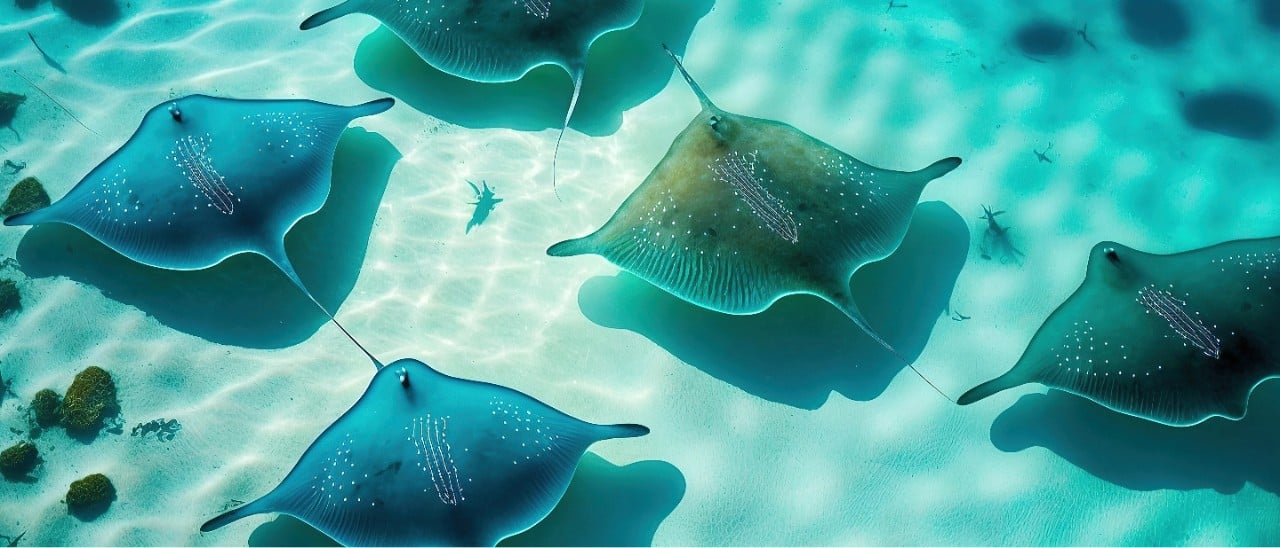
For many divers, the Caribbean’s biggest draw swims into view rather than sitting on the reef. The Bahamas anchors the region’s big-animal reputation with tiger sharks, hammerheads, and reef sharks at well-established sites where encounters are remarkably dependable. Belize’s Gladden Spit delivers seasonal whale shark aggregations timed to spawning events, and nearby Honduras — especially Utila — reports frequent whale shark sightings.
Larger marine mammals make appearances, too. Near the Dominican Republic, the waters around Silver Bank host humpback whales during their winter breeding season, an experience usually enjoyed at the surface rather than on scuba. At the other end of the size scale, St. Vincent & the Grenadines reward patient divers with macro species and muck-style diving, where the smallest critters become the main event. Together these encounters show just how much life the region supports. Timing and a reputable operator make all the difference, and an itinerary that calls at the right ports puts these moments comfortably within reach.
Macro Diving & Underwater Photography Hotspots
Shore Diving in the Caribbean
Not every great dive requires a boat. Bonaire stands as the global leader in mapped, accessible shore diving, with marked entry points ringing the island and a drive-and-dive culture that lets you set your own schedule. Dominica and St. Lucia add volcanic underwater topography within easy reach of shore, where dramatic structure begins just steps from the waterline.
Shore diving also strips away logistical complexity. Without the need to book and board a dive boat for every outing, divers gain flexibility, lower costs, and a relaxed, low-stress rhythm that suits longer stays. For travelers who want to dive often and on their own terms, the region’s shore-accessible sites are hard to beat. It is also a friendly format for mixed-ability groups, letting one diver explore a reef while another snorkels the shallows just overhead. With a tank, a map, and a stretch of accessible coastline, the day is yours to shape.
Featured Caribbean Diving Excursions
Discover Scuba & Beginner Experiences
These entry-level excursions are designed for first-timers and require no prior certification. Each pairs a short briefing or pool session with a guided dive in calm, shallow water.
Discover Scuba Diving — St. Thomas, U.S.V.I.: an introductory PADI experience that combines calm-water training with a guided dive over a shallow shipwreck in a protected marine sanctuary.
Discover Scuba Diving — Aruba: pool-based instruction followed by a shallow wreck dive at the Pedernalis, ideal for first-time underwater exploration.
Cozumel Beginner’s Scuba Diving — Mexico: a beach-entry scuba experience with small group sizes and colorful reef environments.
Snuba Adventure — Cozumel: tank-free underwater exploration that bridges snorkeling and scuba in shallow reef settings.
Certified & Advanced Dive Excursions
For divers who already hold an open-water certification, these excursions trade training time for more water, typically visiting two sites in a single outing.
Two-Tank Certified Scuba Diving — Grand Cayman: a West Wall dive followed by a reef or wreck site that showcases Grand Cayman’s clarity and coral structure.
St. Thomas Certified Scuba: a two-tank reef and wreck experience along the south shore with varied depth profiles.
Aruba Certified Two-Tank Scuba: guided dives of the Antilla and Pedernalis wrecks, surrounded by coral growth and tropical fish.
When to Go Diving in the Caribbean
The short answer is that there is no truly bad time to dive the Caribbean — water temperatures stay warm and welcoming all year, rarely demanding more than a light wetsuit. That said, conditions do shift with the seasons. Visibility and marine-life activity vary month to month, and certain encounters, such as Belize’s whale sharks or the Dominican Republic’s humpbacks, are tied to specific windows worth planning around. Generally, the months from late spring through early summer balance warm water, calm seas, and active marine life before the busiest weather arrives.
Weather is the other factor to weigh. The Atlantic hurricane season runs from roughly June through November and can bring rougher seas and changeable conditions, so many divers favor the calmer, drier months around winter and spring. The best approach is to match your travel timing to destination-specific conditions and the experiences you most want, then build an itinerary around them.
Dive Into the Caribbean with Holland America
Frequently Asked Questions
Where is the best place to dive in the Caribbean?
The best place depends on what you want from a dive. Bonaire excels for shore diving, the Cayman Islands are known for dramatic walls, and Belize offers iconic reef systems along the Mesoamerican Barrier Reef. Matching the destination to your interests is the surest path to a great trip.
Which Caribbean island is known as the diving capital?
Bonaire is widely recognized as the Caribbean’s diving capital. Its island-wide marine park protections and extensive, easy-access shore-dive network give it a reputation few destinations can match, especially for divers who like to set their own pace.
Is the Caribbean good for beginner scuba divers?
Yes. Calm water, clear visibility, and professional instruction make many Caribbean destinations ideal for beginners. Bonaire, Grand Cayman, Turks & Caicos, and Cozumel all offer gentle conditions and structured programs that help new divers build confidence.
Where can you see sharks while diving in the Caribbean?
The Bahamas is the leading destination for reliable shark encounters, with established sites for tiger sharks, hammerheads, and reef sharks. Belize and Honduras also draw divers seasonally for whale sharks, the largest fish in the sea.
Are there wreck dives suitable for newer divers?
Yes. Shallow wrecks in Aruba and Grand Cayman provide accessible introductions to wreck diving, often within recreational depth limits. They let newer divers experience the thrill of a wreck without the advanced training that deeper sites require.