
Best Time to Cruise to Alaska: A Month-by-Month Guide
Wondering when the best time to cruise Alaska is? This guide will help you decide the ideal time to go—whether you’re interested in warmer weather, wildlife spotting, or witnessing the majestic Northern Lights.
The best time to cruise to Alaska comes down to personal preference, and experiences are valued most. The "best time" could be different for a solo cruise traveler who dreams of photographing bears than it is for a parent who wants a family-friendly vacation in the great outdoors.
Read on to discover the best time of year to cruise to Alaska, based on your personal preferences and the breathtaking experiences you want to check off your bucket list.
Key Takeaways
- There’s no single “best” month to visit Alaska—so choose your time to visit carefully by priorities
- Summer brings the warmest temps and longest days, while shoulder months (May, September) bring value and calmer ports
- Wildlife activity shifts with the season: late spring for nesting eagles, or midsummer for salmon runs and bears
- Daylight is a game‑changer from mid‑May to mid‑July, giving extra time for exploration
- The quality and enjoyment of your time in Alaska is improved by careful planning and prepared packing
Month-by-Month Overview of the Alaska Cruise Season
The Alaska cruise season runs from May to September, with a few sailings in late April and early October. While every month offers something unique, your ideal cruise timing depends on your interests—whether it’s wildlife viewing, the best deals, warmer weather, or less crowded attractions.
Alaska Cruise Season at a Glance
| Month | Highlights |
|---|---|
| April | Early season sailings with lower fares; chances of spotting the Northern Lights |
| May | Less crowded spaces, wildflowers blooming, active wildlife, baby moose sightings |
| June | Long daylight hours, warmer weather begins, eagle fledglings visible |
| July | Warmest month, peak whale watching, glacier calving in full force |
| August | Salmon runs = bear viewing; lush landscapes and festivals |
| September | Fall colors, quieter ports, late-season deals, possible Northern Lights sightings |
| October | Select sailings with dramatic autumn scenery and peaceful ports |

What to Expect in Each Season: Weather, Wildlife, and Crowds
Spring (April-May):
- Pros: Fewer tourists, lower prices, spring wildlife activity
- Cons: Cooler temps, limited daylight early in season
- Key sightings: Newborn moose, nesting eagles
Summer (June-August):
- Pros: Warmest temps, longest days, peak wildlife activity
- Cons: Higher prices, busier ports
- Key sightings: Glacier calving, whales, salmon runs, bears
Fall (September-October):
- Pros: Late-season deals, vibrant foliage, quiet spaces
- Cons: Shorter days, increased rainfall
- Key sightings: Possible Northern Lights, fall foliage
Spring Cruises to Alaska: May and June Highlights
Spring marks the beginning of Alaska’s cruise season, offering fewer crowds, lower fares, and breathtaking views of snow-capped mountains. May brings cooler temperatures and clearer skies, with active wildlife like moose calves and bears emerging from hibernation. It’s also a great time for birdwatching and photography.
By June, the days are longer and the landscape bursts into bloom. Whale sightings become more common as humpbacks return, and eagle fledglings begin to appear in their nests. With warmer weather and more daylight for excursions, June is a favorite for travelers who want to experience Alaska’s wild beauty at its freshest.

Best Times to Visit At a Glance
| Interest | Best Time | Why’ It's The Perfect Time |
|---|---|---|
Warmer Weather
|
July, then June and August | Warmest temps and longest days for doing more and staying drier. |
| Families | Late June–August | Lots of daylight and the most kid-friendly excursions. |
| Budget | May and September | Lower fares during shoulder season with more cabin choices and quieter ports. |
| Midnight sun | Mid‑May to mid‑July | Extra‑long evenings for unhurried exploring and shore adventures. |
| Northern Lights | Winter; better cruise chances early April or late September | Darker skies and equinox timing improve your odds of getting a lucky peek! |
| Glacier calving | June–August | Warmth drives dramatic ice calving— for unforgettable big sights and sounds. |
| Avoiding crowds | Lowest during spring before school lets out (May to early June) | Fewer lines, more excursion availability, and a more peaceful experience. |
| Photography | Late spring through midsummer; September for fall color | Golden evenings, snow caps, and wildlife activity present once-in-a-lifetime shots. |
| Wildlife | All cruise season long! | Reliable sightings of incredible whale breaches; midsummer peaks for salmon migration bring out more bears. |
Best Months for an Alaska Cruise With "Good" Weather

Tell a sun-worshiper that you’re taking an Alaska cruise and they’ll raise an eyebrow. Yes, it’s chilly. Yes, even in summer. On average in July, Alaska boasts high temps in the mid-60s, but occasionally climbs into the 70s and 80s. It’s also misty and drizzly. However, if you prepare for Alaska’s chill and damp weather, no matter what time of year you visit, you’ll have a great time. Bring a jacket, gloves, and scarves, along with waterproof gear, and sunscreen. Read how to pack for an Alaska cruise to stay comfortable in changing weather.
The most temperate Alaska weather is in July, then June and August when it’s warmer (though again, not near tropical) and drier. When it comes to May vs. September, May is slightly cooler, but gets significantly less rainfall. Temps can vary greatly depending on where you are in the state.
Average Temps and Precipitation in Juneau, Alaska
| Month | Low | High | Precipitation |
|---|---|---|---|
| May | 41°F | 57°F | 3.4 inches |
| June | 47°F | 62°F | 3.2 inches |
| July | 50°F | 64°F | 4.6 inches |
| August | 49°F | 63°F | 5.7 inches |
| September | 44°F | 56°F | 8.6 inches |
| October | 38°F | 47°F | 8.6 inches |
| From usclimatedata.com |
Best Times for Families to Cruise to Alaska

Peak summer— think late June through August—offers the longest days, widest range of kid-friendly excursions, and warmest weather for easy layering and outdoor adventure. Earlier in June tends to land slightly thinner crowds with nearly the same daylight magic, while late August brings salmon runs that make wildlife viewing an unforgettable memory. Remember! Book popular adventures early, bring backups of essentials, and pack waterproof layers so little explorers stay comfortable if mist rolls in.
Best Time to Cruise Alaska on a Budget
Shoulder season is the savvy traveler’s best-kept secret: May and September often bring lower fares, more stateroom choices, and quieter port traffic without losing the grandeur. May tends to be drier and crisp, with fresh blooms and active wildlife; while September trades softer prices for fall colors and a better chance, if you’re lucky, at Northern Lights. For even more savings, aim for midweek departures, watch for last-minute deals, and book airfare through Flight Ease® to keep costs friendly.
Best Months to Cruise Alaska for Midnight Sun
The best time to experience Alaska’s midnight sun is from mid-May through mid-July, when daylight stretches late into the night. This natural phenomenon gives visitors more time to explore—perfect for hiking, sightseeing, and making the most of Alaska shore excursions.


Best Time of Year to See the Northern Lights
Winter, when nights are long, dark, and clear, is the best time to see the Northern Lights in Alaska. That said, it is possible but not guaranteed to see them on an Alaska cruise. An Alaska cruise in early April or late September, close to the fall equinox (September 21), will increase your chances. Where you are can make all the difference and the farther north, the better.
Best Time of Year for Glacier Calving

The best time to witness glacier calving in Alaska is during the warmest months—June, July, and August—when active glaciers are most likely to shed massive chunks of ice into the sea. It’s an unforgettable experience, combining dramatic sights and sounds as brilliant blue ice crashes into the water below.
Best Time for Avoiding Tourist Crowds in Alaska
Spring, before school lets out, is the best time to cruise to Alaska with extra elbow room, shorter lines, and peaceful meals. You’ll still see amazing sights, like Dall sheep and other creatures who emerge from the mountains to graze verdant fields. Bonus: there are less mosquitoes in spring than summer.
Best Time for Photography in Alaska

Late spring through midsummer delivers long, golden evenings, snow-capped backdrops, and lively wildlife—perfect for wide landscapes and action shots. July and August add glacier calving drama and peak whale activity, while September paints the hillsides in crimson and gold with softer, moodier light. Bring a fast lens for low light, a polarizer for glare on water and ice, and waterproof gear so inspiration never waits on the weather. If capturing unique animals is your ultimate goal, keep reading on for the best times to spot the iconic wildlife of Alaska.


Best Time to Cruise to Alaska for Wildlife
Bald eagles soaring overhead. Alaskan brown bears scooping up salmon from a rushing waterfall. A pod of orcas spyhopping in the ocean. Nature is in full bloom during cruise season in Alaska, but what you’ll see depends on the time of year and location.
At all times during cruise season, you’ll meet some of Alaska’s wild residents: eagles, whales, dolphins, and bears. Want to get up close and personal? The best and safest way to experience Alaska wildlife is through one of our guided Alaska shore excursions.
Here are some of Alaska’s most fascinating creatures and the best times of year to see them:
Nesting Eagles
About 30,000 eagles call the Great Land home, and they’re more abundant in Alaska than anywhere else in the United States. There’s a good chance you’ll see eagles perched high near the shoreline, in town scavenging garbage dumps, or even feasting off a salmon run. Bald eagles hatch and rear young in April and you can see their mottled fledglings from May through June. Bring binoculars; eagles like to nest high.
Bears Feeding on Salmon
Witnessing bears catch (or try to catch) slippery salmon from a river is one of the most incredible Alaska experiences you can have. The best time to view this dramatic display is mid-July to mid-August, though you can take wildlife excursions to bear hangouts at any time during cruise season.

Salmon Runs
Don’t underestimate fish. Salmon have a fascinating, beautiful life cycle well worth viewing. When they’re fully mature, millions take a harrowing upstream journey from the ocean to the rivers where they were born. The few who make it spawn and die here. Salmon runs in Alaska start in early May and continue until September, with different species of salmon running at different times of year.
Newborn Moose
Fuzzy baby moose, called calves, are as cute as it gets. Late May and early June are the best possible times to view a momma moose and her calves in Alaska. Moose can be dangerous, especially a threatened mom. If you do see these majestic creatures hulking around, stay far back (at least 50 feet) and never disturb a lone calf, as mom is somewhere nearby.
Whale Watching

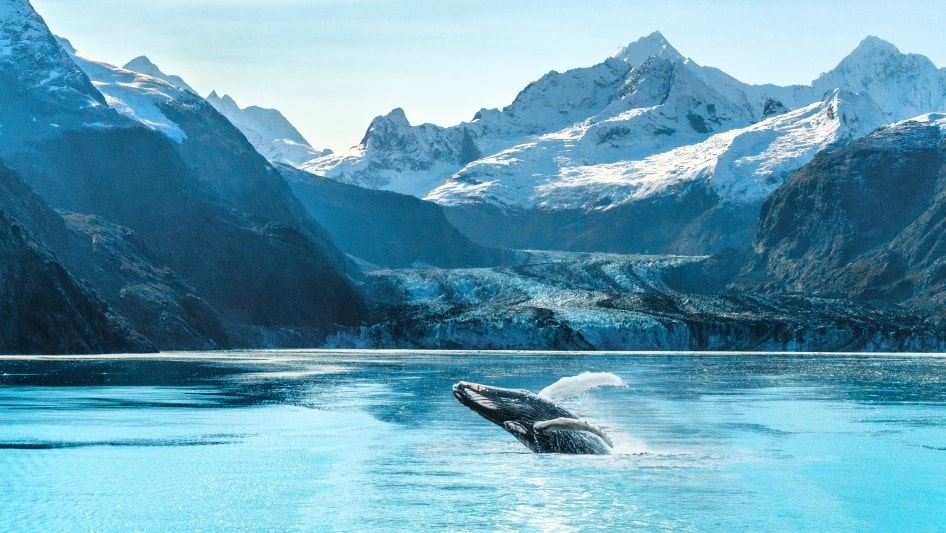
Alaska has humpback whales, gray whales, killer whales, and a small population of belugas. Though it’s species-dependent, the best time to go whale watching in Alaska is in high summer, when the days are long and the feeding is plentiful. And it all depends on what species you intend to see — humpbacks are in the area year-round, while others like gray whales migrate to Alaska in summer.
Seasonal Planning Tips for Your Alaska Cruise
Alaska doesn’t always promise perfect weather — but it will always reward good planning with unforgettable moments. Pick a season for the experiences that matter most, then pack smart and book early so daylight, wildlife, and glaciers do the heavy lifting. Here are our top insider tips for being prepared for your visit:
- Spring: Start by securing wildlife‑focused excursions. Spring is lively and uncrowded, and those small‑group tours that get closest to the action are the first to sell out.
- Summer: Put glacier activities and bear‑viewing at the top of your can’t-miss list. Peak season opens up long, light‑filled days, and the marquee experiences go fastest!
- Fall: Cooler nights and darker skies create the perfect conditions for aurora‑chasing. So keep evenings open and look north for your shot at a rare northern lights appearance.
- Always: Pack like an Alaskan. Waterproof outerwear, warm mid‑layers, and sturdy shoes aren’t optional — have flexible options so a misty morning or surprise sunshine never ruins a great day’s plans.

Start Your Alaska Cruise Journey With Holland America
From wildlife encounters to breathtaking glaciers, a cruise to Alaska is an unforgettable experience. Explore our wide range of Alaska cruise itineraries to find the one that’s right for you.
FAQs
What is the best month to go on an Alaska cruise?
The best month varies from traveler to traveler based on preferences—June and July deliver long daylight, warmer temps, and abundant wildlife for classic summer adventures, while August layers in peak salmon runs for bear viewing. For crisper air, quieter attractions, and better value, May offers blooming landscapes and active spring wildlife.
When is the cheapest month to take an Alaska cruise?
Shoulder season, which includes both May and September, typically brings the best fares, more stateroom choices, and quieter ports without sacrificing enjoyment. May tends to be cooler and drier, while September adds fall color, making both months value-rich times of the year.
Which cruise line is the best for Alaska?
Holland America combines deep Alaska expertise and unique access available with mid-sized ships to marquee experiences like Glacier Bay, with thoughtfully curated shore excursions, and seamless cruisetours to Denali and beyond. The result is a classic, close-to-nature Alaska feel — delivered with service provided with a personal touch, a relaxing ship experience, and the kind of local insight that turns bucket-list moments into effortless memories.